Autonomous AI Agents Gain Wallet Access, Forcing Regulatory Overhaul
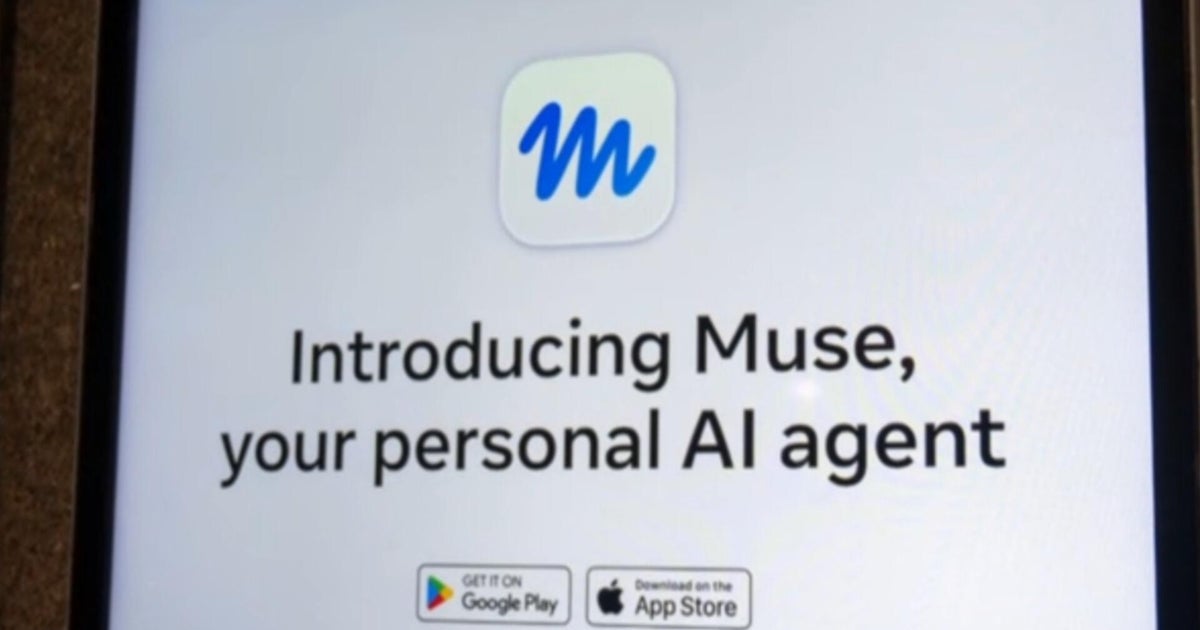
The commercial rollout of highly autonomous personal AI agents—specifically Meta’s Muse and OpenAI’s Dots—marks a fundamental shift from generative assistance to transactional autonomy. By granting these models direct access to personal financial data and execution privileges, the industry is leapfrogging current consumer protection frameworks. This transition turns passive large language models into active financial fiduciaries, a shift that abruptly pivots the regulatory spotlight from copyright infringement toward systemic consumer financial exposure and privacy vulnerabilities. Operationally, this requires integrating opaque neural networks with legacy banking APIs, exposing a massive vulnerability in how financial institutions authenticate intent. Traditional banks are the immediate losers, as they assume the fraud liability for API-executed agent transactions without controlling the underlying algorithmic decision-making. Conversely, infrastructure layers bridging AI and fintech stand to capture immense value by acting as the authentication middleman. This asymmetric risk profile forces a strategic recalculation for retail banks, who must now defensively upgrade their fraud detection algorithms to differentiate between human-initiated and agent-initiated financial maneuvers. Over the next 12 to 18 months, expect a wave of high-profile, agent-driven financial anomalies that will force swift intervention from regulatory bodies like the CFPB. The critical variable is whether tech giants will be forced to absorb financial liability for their agents' actions—a mandate that would dramatically cool the rapid deployment of autonomous features. Ultimately, the rush to deploy agentic financial capabilities before establishing robust liability guardrails suggests an industry prioritizing ecosystem lock-in over structural safety, setting the stage for a brutal regulatory reckoning.