AI Avatar Misuse Triggers Platform Safety Overhaul
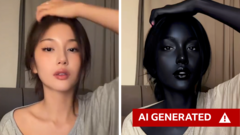
The removal of accounts using AI-generated avatars for explicit content by TikTok and Meta, prompted by a BBC report, marks a critical inflection point for platform safety. This is not a routine content moderation issue but a strategic threat, demonstrating how easily accessible generative AI tools can be weaponized to create targeted, scalable harassment. It exposes the inadequacy of reactive, human-led moderation in an era of synthetic media, shifting the core challenge from policing user content to identifying algorithmically generated campaigns that exploit societal biases and erode platform trust, a direct parallel to the challenges seen with political disinformation. The incident fundamentally alters the economics of content moderation, creating an asymmetric advantage for malicious actors. For near-zero cost, they can generate endless streams of novel, synthetic content that overwhelms expensive, legacy detection systems. This exposes a critical vulnerability in the operational models of platforms like Meta and TikTok, who are now losing the trust of users and advertisers. The primary losers are the targeted communities, but the platforms face a strategic recalculation, forced to now invest heavily in sophisticated synthetic media detection technologies — an expensive new arms race they are currently losing. The trajectory this suggests is the end of trust-based, reactive content moderation as a viable strategy. Within 12 months, expect platforms to accelerate the rollout of digital watermarking and content provenance tools (like the C2PA standard) to differentiate authentic media. The critical variable will be whether they can deploy these defenses faster than synthetic content pollutes their ecosystems. This event is the catalyst that will force a move toward a "zero-trust" model for user-generated content, where unverified media is treated as suspect by default.