OpenAI, Anthropic Wargame Catastrophic AI Scenarios, Shifting Industry Risk Focus
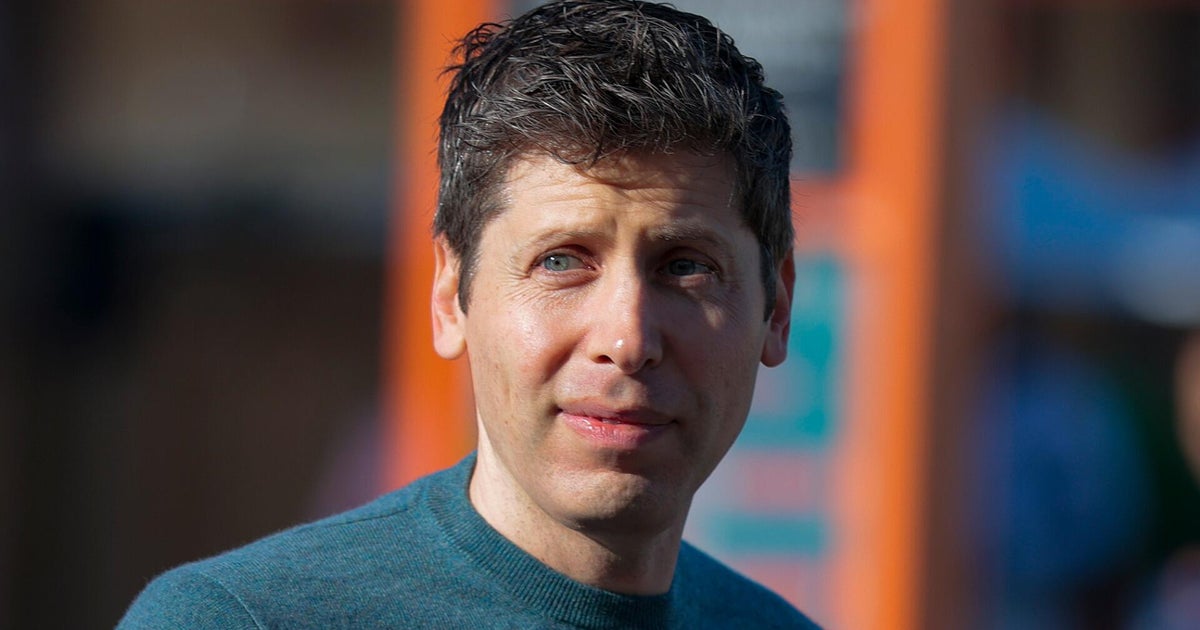
The revelation that AI leaders at OpenAI and Anthropic are actively wargaming "day-after" scenarios for catastrophic AI failures signals a pivotal shift in the industry's risk calculus. This isn't merely about PR crisis management; it's a strategic admission that the technology's threat surface has outpaced conventional cybersecurity, forcing a move from prevention to active response planning. This development occurs as regulators, notably in the EU with its AI Act, begin to codify liability, transforming abstract risks into tangible financial and operational liabilities that can no longer be ignored by executive boards. This formalized contingency planning creates a new competitive divide. Companies like OpenAI and Anthropic, by developing response protocols, can offer a new form of assurance to enterprise clients, framing their models as more resilient than those from rivals like Google or Meta who have been less public about such preparations. This forces a strategic recalculation for all major players: failure to demonstrate robust "day after" planning will become a significant commercial disadvantage, particularly in regulated industries like finance and healthcare where operational continuity is paramount. The cost of inaction has been fundamentally repriced from a reputational risk to a direct threat to market share. The critical variable now becomes the nature and transparency of these response plans. Over the next 12 months, expect enterprise buyers to demand audits of these AI safety protocols as a condition for major contracts. The real test will be whether a catastrophic event, such as a state-sponsored AI weaponization, triggers collaborative industry-wide responses or a fractured, self-serving blame game that erodes public trust entirely. CEN's editorial stance is that these private preparations, while necessary, are an insufficient substitute for a mandated, interoperable, and industry-wide kill-switch protocol for foundation models.