AI Deepfake Crisis Puts Platform Trust, Creator Rights on a Collision Course
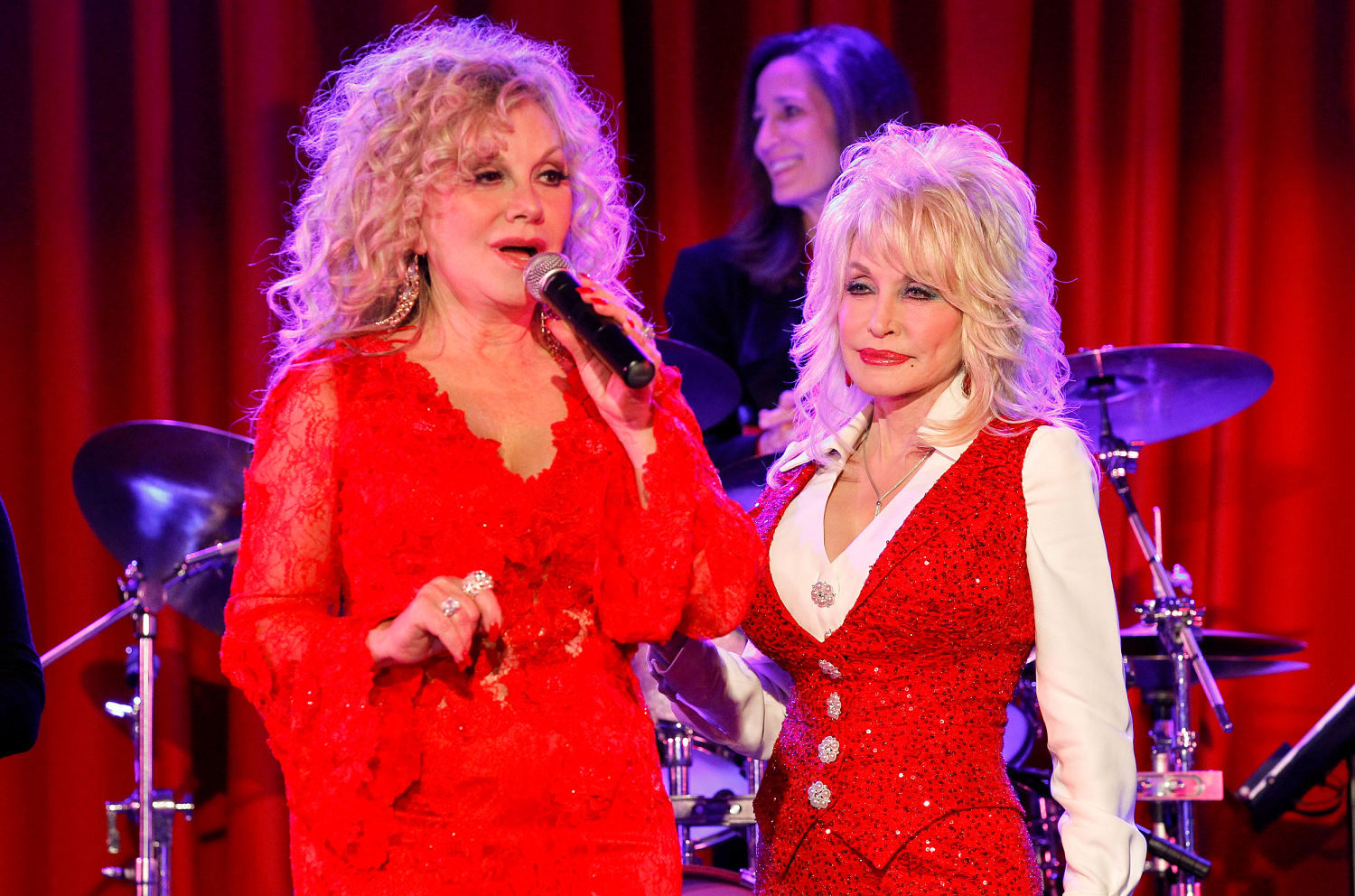
The backlash against AI-generated deepfakes following a celebrity death hoax signals a critical turning point in the creator economy, shifting the AI debate from intellectual property theft to the more visceral issue of digital desecration. This incident reframes the narrative, creating a powerful emotional argument that resonates far beyond the tech community and pressures platforms to act. Unlike the more abstract legal fights over training data, this use of AI to fabricate content about a deceased public figure creates an immediate, widespread crisis of trust for platforms like Meta and X (formerly Twitter), forcing the issue of content liability into the mainstream public discourse. The proliferation of such content fundamentally alters the risk calculus for social media platforms and AI model providers. Generative AI tools from companies like Midjourney and Stable Diffusion, designed for creative expression, are now exposed as potent vectors for reputation-damaging disinformation at scale, creating an asymmetric advantage for malicious actors. This forces a strategic recalculation for platforms, moving beyond simple content moderation to active detection and verification systems. The key winners are digital forensics and content authentication startups like Truepic, while platforms face escalating operational costs and significant brand risk if they fail to contain the viral spread of such emotionally charged fabrications. The trajectory beyond this incident points toward a two-tiered internet: a verified layer for authenticated human-created content and a "wild west" of synthetic media. Within 12-18 months, expect to see a major platform, likely Meta, introduce a "digital watermark" or content credentialing system for high-profile accounts, effectively creating a premium tier of verified reality. The real test will be whether these technical solutions can outpace the escalating sophistication of generative models. This incident has unfortunately created the perfect catalyst for accelerating regulation, but it will be a race between technological containment and legislative action over the next three years.