Big Tech Uses AI Doomerism to Shape Regulation
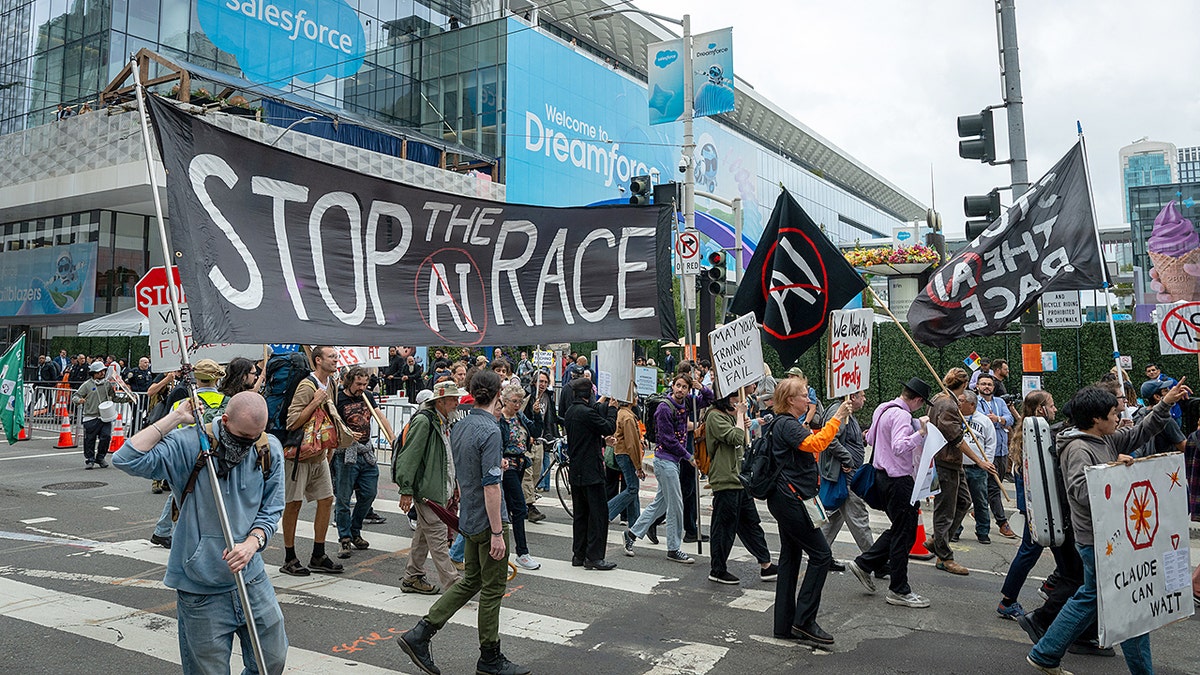
The escalating media narrative around an "AI apocalypse," as critiqued in a recent Fox News op-ed, is less a genuine existential debate and more a strategic battlefield for regulatory capture. This discourse, amplified by both legacy media and certain tech leaders, serves to frame the AI safety problem as one solvable only by massive, centralized entities. By focusing public and regulatory attention on long-term, hypothetical extinction risks, it distracts from immediate, concrete harms like algorithmic bias and labor displacement, creating a favorable environment for incumbents to shape policy that entrenches their market dominance, echoing the early-2000s battles over software patenting. The primary beneficiaries of this "doomerism" narrative are established AI giants like Google, Microsoft, and Anthropic, which possess the immense capital and data moats to comply with the burdensome regulations they themselves advocate for. This dynamic positions smaller, open-source players and startups as reckless and unsafe, effectively creating a regulatory barrier to entry. This forces a strategic recalculation for venture capital, which must now weigh the scaling potential of a disruptive model against the regulatory risk of it being legislated out of existence. This framework turns safety into a competitive weapon, fundamentally altering the innovation landscape from permissionless to permissioned. Looking forward, the critical variable is whether regulators in the US and EU can distinguish between genuine safety needs and strategic lobbying. Watch for the language used in forthcoming legislation: if it focuses on model size thresholds and pre-deployment approvals (favoring incumbents) versus post-deployment audits and specific use-case restrictions (favoring innovation). The trajectory suggests a two-tiered ecosystem is likely within 24 months—a regulated "premier league" of foundation models and a constrained open-source community. The real test will be the first major enforcement action against a non-Big Tech entity, which will signal the true cost of this new competitive terrain.