AI-Generated Imagery Creates Brand Risk, Exposing Deeper Trust Deficit
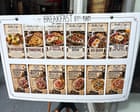
The proliferation of low-quality, AI-generated food imagery on restaurant menus has triggered a significant consumer backlash, framing generative AI not as a cost-saving tool but as a new vector for brand risk. This trend matters because it moves the AI debate from abstract technical benchmarks to tangible consumer trust, where perceived authenticity is paramount. As platforms like DoorDash and Uber Eats become the primary interface for many restaurants, the uncanny valley effect seen in these images directly impacts revenue and brand reputation, connecting the quality of AI outputs to bottom-line performance in a way few other applications have so viscerally. The dynamic creates clear winners and losers. Technology providers offering polished, high-fidelity, and domain-specific generative AI models (like those potentially from Adobe Firefly or specialist startups) gain a significant advantage, as they can sell their services as a form of brand insurance. The losers are the small businesses and independent restaurants that, in an attempt to cut costs on photography, inadvertently adopt generic, low-quality AI tools. This exposes a critical vulnerability in the mass-market AI-as-a-Service model, where a lack of quality control creates a race to the bottom that ultimately damages the end-user’s brand. The critical variable is how quickly delivery platforms like DoorDash and Uber Eats establish and enforce quality standards for menu imagery, potentially creating a new compliance hurdle for their restaurant partners. Within six months, expect to see these platforms offer integrated, vetted AI image generation tools as a premium service. This trajectory suggests a future where AI doesn’t just generate content but also polices it, creating a tiered system of AI-verified authenticity. The real test will be whether consumers accept this platform-mediated version of reality or if it accelerates a return to valuing human-generated content.