AI Policy Crossroads: Nations Eye EU Standards Amid US-China Void
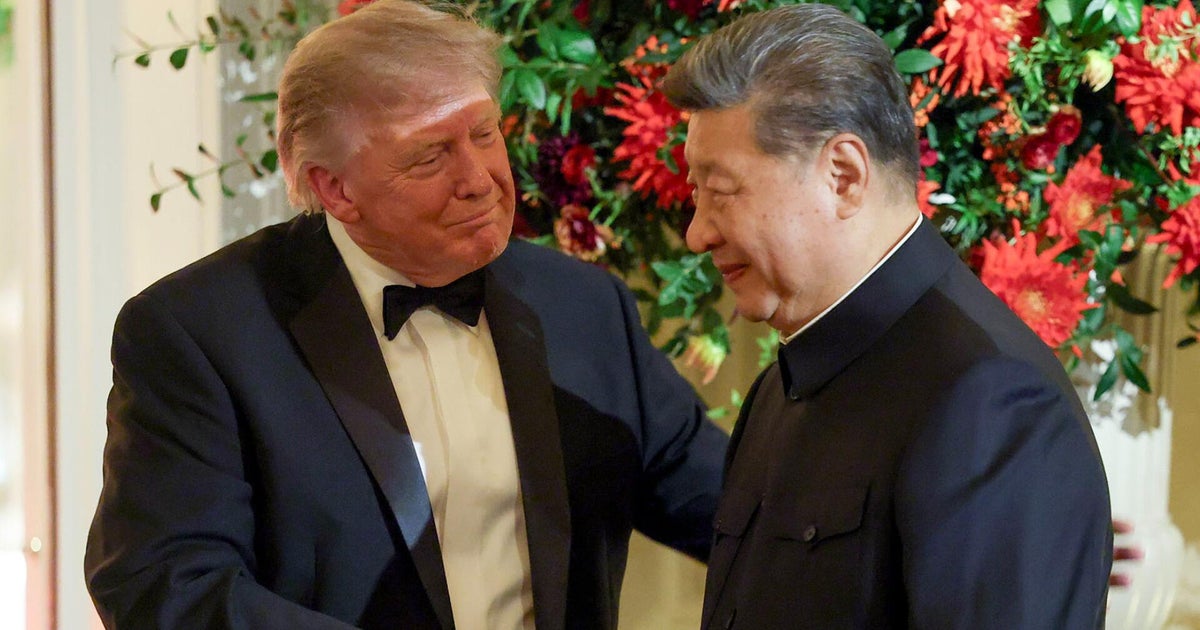
The conclusion of Chinese President Xi Jinping's U.S. state visit without a bilateral agreement on artificial intelligence governance injects significant instability into the global technology landscape. This lack of a framework, coming just as nations finalize their national AI strategies, effectively creates a geopolitical vacuum. Instead of a bipolar détente, the stalemate cedes regulatory leadership to third parties like the European Union with its AI Act, allowing them to set global standards by default. This inaction transforms AI policy from a bilateral negotiation into a multilateral free-for-all where corporations and blocs will dictate terms, escalating the risk of fractured digital ecosystems. This diplomatic impasse fundamentally alters the strategic calculus for multinational technology firms like Apple, Tesla, and NVIDIA, which now face the daunting prospect of navigating two increasingly divergent and potentially conflicting regulatory and ethical frameworks for AI development and deployment. The primary losers are companies reliant on integrated global supply chains and cross-border data flows, which must now budget for duplicative compliance regimes. This forces a strategic recalculation, incentivizing the creation of operationally distinct "American AI" and "Chinese AI" stacks, from cloud infrastructure down to application-level APIs, increasing operational friction and fragmenting the global talent pool. The critical variable now is not if a singular global standard will emerge, but how many competing standards will proliferate by 2025. The upcoming G20 and APEC summits represent the last forums for establishing even minimal guardrails this year; their failure would signal a definitive shift towards technological non-alignment. Watch for whether major US tech firms begin lobbying for state-level AI laws as a stopgap, which would further balkanize the domestic market. This trajectory suggests the era of a unified global AI ecosystem is effectively over, replaced by a much more complex, multi-polar contest for technological supremacy.