Australia Port AI Sparks 28-Hour Work Week Demand, Global Precedent Set
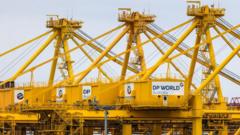
The Maritime Union of Australia's demand for a 28-hour work week in response to AI testing in ports is more than a localized labor dispute; it's a crucial global test case for how organized labor in critical infrastructure will confront automation. Coming after years of supply chain volatility that highlighted port efficiency as a matter of national economic security, this negotiation sets a precedent. While logistics giants see AI as the key to unlocking new levels of throughput and cost savings, unions view it as an existential threat, framing this as a battle for the future of work in physically gated, economically vital sectors. The strategic mechanics involve the union attempting to claim a share of future productivity gains not through higher wages, but through reduced working hours—a fundamental shift in negotiation tactics. The primary winners from unfettered AI adoption would be port operators like DP World and Patrick Terminals, who could drastically lower operational expenditures, and their shipping line clients like Maersk, who benefit from faster turnarounds. This union action forces a strategic recalculation, turning technology adoption from a simple CapEx decision into a complex stakeholder negotiation that directly challenges the traditional ROI model of automation by attaching a significant labor cost. Looking forward, the outcome will have cascading effects. A union victory in the next 6-12 months could inspire similar demands in other unionized sectors like trucking and manufacturing, creating a blueprint for negotiating with the specter of AI. A failure would signal a green light for aggressive, potentially disruptive, automation rollouts across global supply chains within the next three years. The critical variable is government intervention; its stance will determine whether the priority is short-term economic efficiency or long-term labor stability. This negotiation is a bellwether for the capital-labor power balance in the AI era.