AI Geopolitics: National Interests Drive Policy Divergence
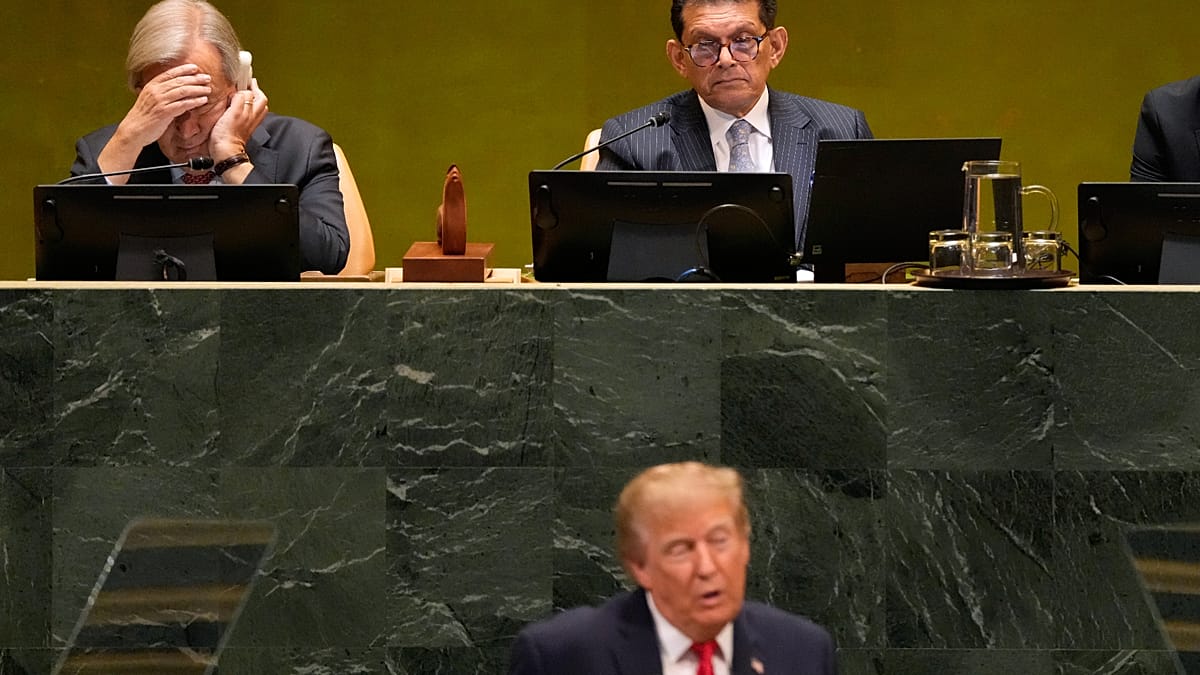
The emerging geopolitical rift over artificial intelligence governance, highlighted by Donald Trump’s recent rejection of global controls and contrasted with UN warnings, signals a definitive end to the era of unified AI policy frameworks. This divergence moves beyond abstract ethical debates, creating a fragmented global landscape where national security and economic interests now explicitly dictate AI development and deployment. As nations like China advance their state-led AI 2030 plan and the EU finalizes its risk-based AI Act, the U.S. faces a critical inflection point, with its policy direction increasingly tied to volatile election cycles, fundamentally altering the competitive dynamics of the global tech race. The strategic mechanics of this fragmentation create distinct operational lanes for AI firms depending on their home jurisdiction. A U.S. favoring deregulation under a potential Trump administration would prioritize rapid, unfettered commercialization, giving companies like Palantir and other defense-tech players a significant edge in military and intelligence applications. Conversely, EU-based firms must navigate the AI Act’s stringent compliance, creating a market for "regulatory tech" but potentially slowing innovation compared to American and Chinese rivals. This forces a strategic recalculation for multinational AI labs like Google DeepMind and Meta AI, which must now operate under increasingly divergent and conflicting regulatory regimes. The primary consequence of this policy schism will be the formation of distinct AI ecosystems with limited interoperability, creating friction in global talent mobility, data sharing, and capital flows. Over the next 12-24 months, watch for U.S. tech giants to increase lobbying for federal preemption of state-level AI laws to maintain a unified domestic market. The critical variable is whether the U.S. coalesces around a national strategy or cedes leadership, creating a power vacuum that state actors and international bodies will rush to fill. This trajectory suggests the AI supply chain itself will bifurcate, aligning with either the U.S. or Chinese sphere of influence.