States Diverge on AI Power Costs, Shaping Future Tech Investment
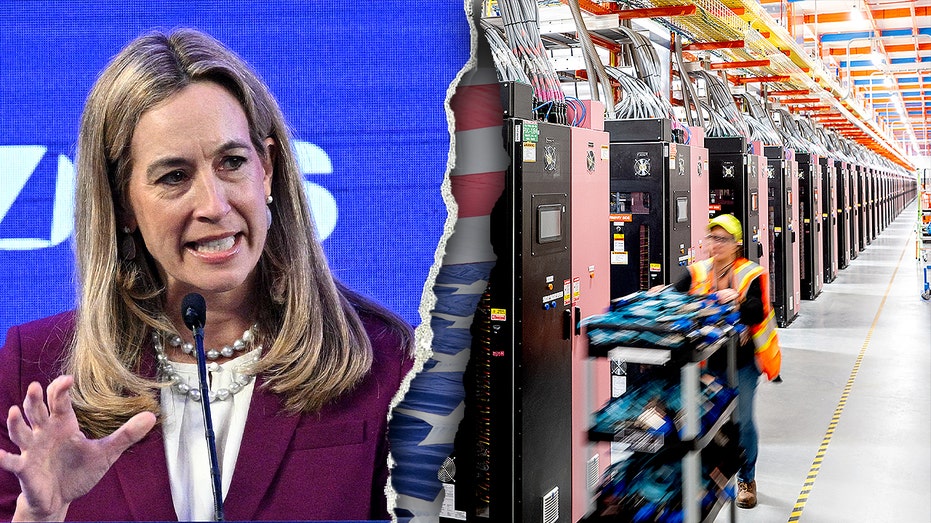
The burgeoning energy demands of AI are forcing a critical policy split between US states, creating a new battleground for economic development. While New Jersey is mandating that new data centers bear the full cost of their grid upgrades, Indiana is enabling utilities to use revenue from these power-hungry clients to subsidize residential electricity bills. This divergence moves beyond simple energy policy, becoming a strategic gambit to attract or repel the massive capital investment of hyperscalers, fundamentally altering the calculus for where future AI infrastructure will be built and who benefits. The strategic mechanics expose a high-stakes trade-off: New Jersey’s model protects existing ratepayers from subsidizing big tech, but risks ceding the AI boom to more accommodating states. Conversely, Indiana’s approach, promising households savings of around $100 annually, actively courts tech giants like Amazon and Google. This creates a direct incentive for utilities and state governments to prioritize hyperscaler-friendly policies. The winners are states that can leverage this new demand for broad economic benefit, while the losers are those whose regulatory friction drives AI investment, and its secondary economic effects, elsewhere. This emerging policy divide will accelerate regional specialization, creating distinct "AI-friendly" and "AI-cautious" economic zones over the next 24 months. The real test will be whether the economic benefits touted by states like Indiana—job creation, tech ecosystem growth—materialize and outweigh the long-term strain on grid infrastructure and potential for rate hikes if the promised subsidies fail. The critical variable is grid reliability; the first state to suffer major blackouts due to data center load will trigger a nationwide regulatory reassessment, forcing a more standardized federal approach.