90% of Americans Targeted by AI Scams, Reshaping Cybersecurity
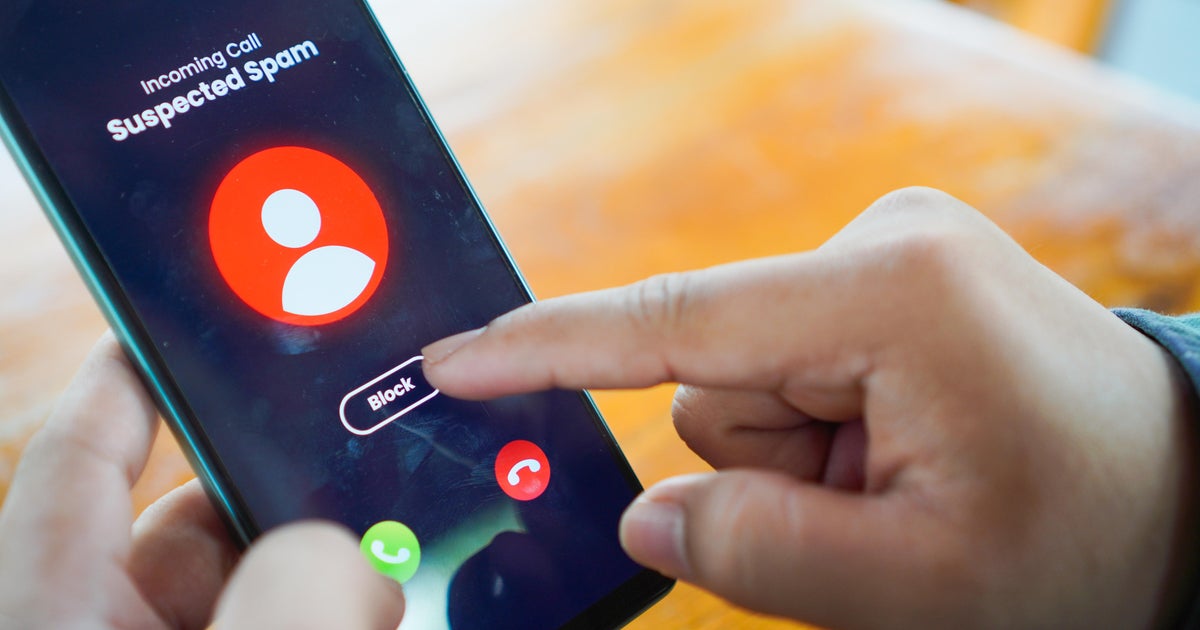
The normalization of AI-driven fraud marks a fundamental inflection point in the cybersecurity landscape, moving beyond fringe attacks to population-scale social engineering. A recent report indicating that nine in ten Americans are now targets signals that generative AI has democratized the tools for creating hyper-realistic phishing schemes, voice-cloning scams, and deepfake-based impersonation. This isn't merely an increase in volume; it represents a qualitative shift in the attacker-defender dynamic, eroding the foundational trust layers, from voice calls to video verification, that underpin digital commerce and communication, a trend similarly highlighted by the FBI's latest Internet Crime Report (IC3). The primary beneficiaries of this shift are not just individual criminals but "fraud-as-a-service" platforms that sell AI-powered scam kits on the dark web, lowering the barrier to entry for sophisticated attacks. This fundamentally alters the security calculus for businesses. Identity verification providers like Okta and Duo now face an arms race against AI that can bypass traditional multi-factor authentication. The losers are downstream businesses—banks, e-commerce sites, and healthcare providers—who bear the financial and reputational costs of fraud, as their legacy security stacks are proven insufficient against AI-generated threats that mimic human behavior with unprecedented fidelity. Looking forward, this escalating threat will force a strategic recalculation in enterprise security budgets away from perimeter defense and toward continuous, behavior-based identity verification. Within 12-18 months, expect a wave of M&A activity as legacy security firms acquire AI-native startups specializing in deepfake detection and biometric liveness. The critical variable will be regulatory pressure; if government mandates for digital identity standards fail to materialize, the private sector will be left to fight a costly, fragmented battle. The real test will not be stopping attacks, but maintaining consumer trust as the very concept of digital authenticity is undermined.