AI Safety Split Solidifies as Key 2024 Campaign Battleground
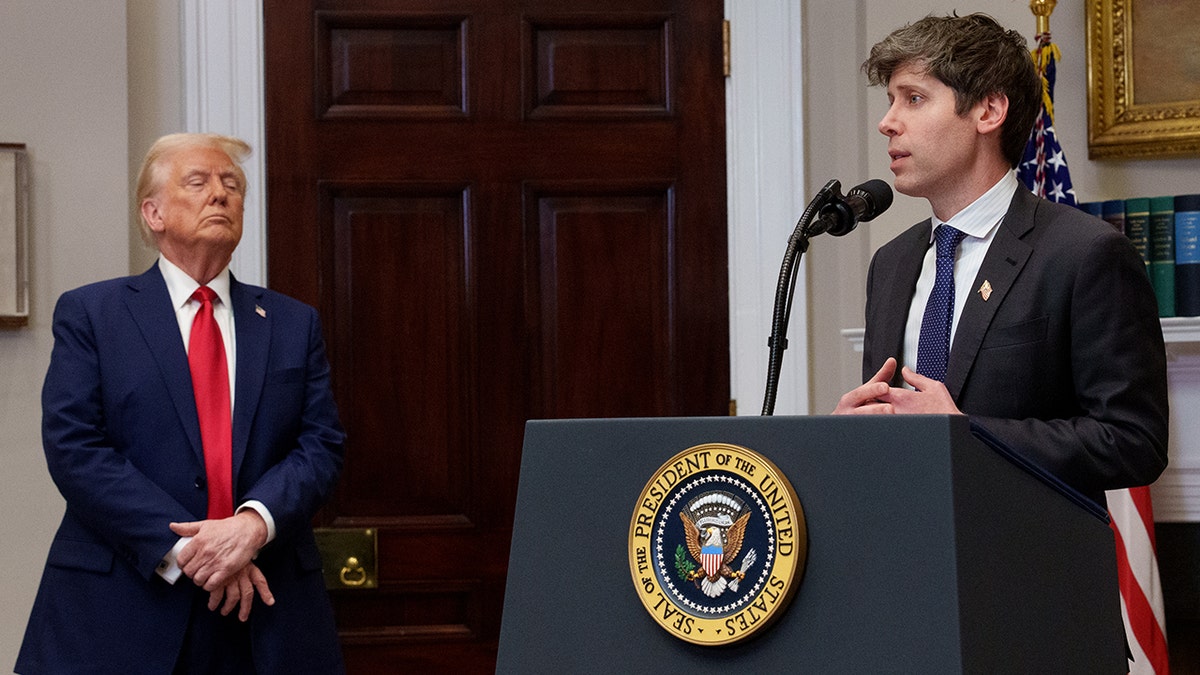
The public divergence between former President Trump’s dismissal of AI risks and urgent slowdown calls from leaders at Anthropic and Google DeepMind solidifies AI policy as a contentious 2024 campaign issue. This isn’t just a tech debate; it’s a strategic political test. As AI’s economic and national security implications become undeniable, a candidate’s stance is now a proxy for their broader tech-savviness and geopolitical foresight. This mirrors the early 2000s debate over internet regulation, forcing candidates to stake out positions that will define industrial and innovation policy for the next decade. This dynamic fundamentally alters the risk-reward calculation for AI labs. A political environment dismissive of safety could accelerate unchecked deployment, creating an asymmetric advantage for labs like xAI that prioritize speed. Conversely, the public warnings from Anthropic and DeepMind are a strategic play to attract risk-averse enterprise clients and top-tier talent who see safety as a feature, not a bug. This forces a strategic recalculation for Microsoft, whose partnership with the more aggressive OpenAI now carries political optics that differ from Google’s more cautious public posture. The critical variable now is how corporate lobbying and public sentiment shape the eventual regulatory framework. Watch for a split between federal and state-level initiatives in the next 12-18 months, creating a messy compliance landscape. This trajectory suggests the AI safety debate will not be resolved by a single "czar" or agency, but will become a permanent, fragmented battleground. The real test will be whether the U.S. can establish a coherent national AI strategy without ceding its innovation lead to more centrally-controlled rivals like China.