Tech Super PAC Influences GOP Primaries, Redefining AI's Political Role
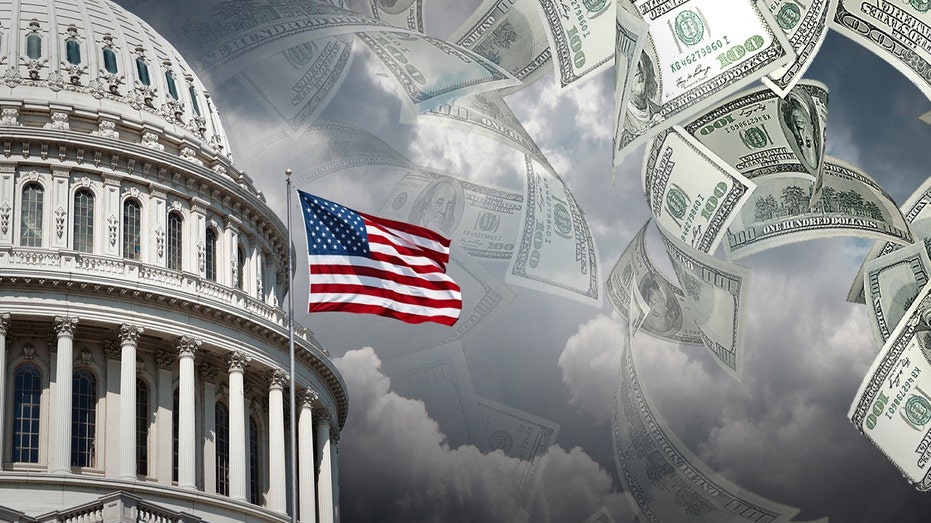
The injection of $1.5 million into three GOP primary races by the tech-executive-backed super PAC, “Leading the Future,” marks a significant escalation in the AI industry’s political strategy. Moving beyond traditional lobbying, this direct electoral intervention aims to proactively install pro-innovation, anti-regulation voices within the Republican party. This maneuver mirrors the recent formation of industry advocacy groups but sharpens the spear by targeting the candidate selection process itself, attempting to shape the legislative battlefield before bills are even written. It fundamentally reframes the AI policy debate from a question of bipartisan consensus to one of ideological purity within the GOP, seeking to establish a firewall against future regulatory overreach. This strategy’s mechanism is to leverage the relatively lower cost and higher ideological sensitivity of primary elections to elect champions who can shift the party’s center of gravity on tech policy. The immediate winners are the chosen candidates and the PAC’s backers, who gain direct influence. The losers are GOP incumbents who favor a more cautious or populist approach to AI regulation, as well as traditional industry lobbying groups who now face a more aggressive, single-issue competitor for influence. This forces a strategic recalculation for any politician banking on populist anti-tech sentiment, exposing the vulnerability of that position to concentrated capital from Silicon Valley. Looking forward, the success of these initial races will determine the scale of investment in the next election cycle. A high win rate in the next 3-6 months will trigger a significant expansion of this playbook, likely targeting Democratic primaries next and aiming to build a loyal, bicameral caucus within three years. The critical variable is whether primary voters respond more to the PAC’s pro-innovation message or to populist critiques of "Big Tech" interference. This initiative represents a calculated gamble that building a loyalist bloc now is the most effective defense against the long-term regulatory threats brewing in Washington.