AI's Nuclear Role Shifts Deterrence, Raises Risk of Automated War
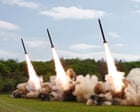
The technology industry's intense focus on long-term, existential AI risk is creating a critical strategic blindspot: the near-term proliferation of AI-integrated nuclear command, control, and communications (NC3) systems. While futurists debate superintelligence, state actors are actively exploring AI for early-warning systems, autonomous drone deployment, and cyber warfare, fundamentally altering nuclear deterrence logic. This shift from human-in-the-loop to human-on-the-loop protocols, driven by the perceived need for decision speed, mirrors the rapid, unregulated adoption of AI in financial markets, creating a new, more volatile global security paradigm. This integration of AI into legacy NC3 systems introduces novel failure modes with catastrophic potential. AI-driven pattern recognition, while promising, is vulnerable to sophisticated data poisoning or adversarial attacks, potentially triggering false positives for a nuclear launch. This puts immense pressure on rivals like China and Russia to accelerate their own AI-in-NC3 development, creating an algorithmic arms race. The key winners are defense contractors and AI startups specializing in sensor fusion and autonomous systems, while the losers are diplomats and arms control frameworks, which become increasingly obsolete in an era of machine-speed escalation. The critical variable is no longer just geopolitical tension, but the brittleness of the AI systems underpinning deterrence. A regional cyber-conflict could now have strategic nuclear implications by accident. In the next 18-24 months, watch for the first public wargaming exercises that explicitly model AI-on-AI escalation pathways. The real test will be whether existing nuclear powers can establish shared safety protocols for their AI-enabled systems before an autonomous crisis forces their hand. This trajectory suggests a future where the greatest risk isn't a rogue AI, but a brittle, obedient one executing a flawed command.