Kew's AI Digitization Transforms Botanical Archives Into Strategic Assets
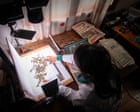
The Royal Botanic Gardens, Kew's latest report signals a pivotal shift where AI and digitization are not merely aiding conservation, but are fundamentally repositioning biological archives as strategic assets. This move transcends environmentalism, framing vast, dormant collections of plant and fungi specimens as a new frontier for AI application, akin to how AlphaFold unlocked proteins. As AI models begin to systematically analyze genetic and phenotypic data locked in millions of samples, the development pressures the existing R&D landscape in pharmaceuticals and agriculture, suggesting a future where discovery is driven by algorithmic analysis of historical data, not just new field exploration. The core mechanism involves applying advanced computer vision and sequencing-optimized AI to newly digitized, high-resolution images and genetic fragments from specimens, some centuries old. This fundamentally alters the economics of bioprospecting. The immediate winners are research institutions and the tech firms providing the AI tools, alongside biotech and agrochemical giants like Bayer and Syngenta, who gain a powerful new engine for sourcing novel compounds. This creates an asymmetric advantage over entities reliant on slower, capital-intensive physical exploration, forcing a strategic recalculation for any company whose pipeline depends on natural product discovery. Looking forward, this AI-driven approach will trigger a land grab for proprietary biological datasets and force a reckoning on data sovereignty. In the next 12-24 months, expect the emergence of specialized "genomic discovery-as-a-service" platforms. The critical variable is how international legal frameworks, like the Nagoya Protocol on benefit-sharing, adapt to discoveries made via AI on digitized heritage collections. This trajectory suggests that the gatekeepers of the next generation of therapeutics and materials may not be labs, but the institutions that control the most extensive and well-annotated biological data archives.