AI Gene Wilder Voice: Posthumous IP Rights Enter Market Test
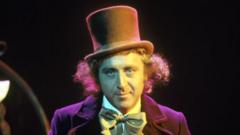
Netflix's controversial use of an AI-generated Gene Wilder voice, sanctioned by his estate, marks a pivotal moment for the entertainment industry. This is not a one-off gimmick but a calculated market test for the burgeoning digital resurrection economy, establishing a high-profile precedent for monetizing the likenesses of deceased icons. The move escalates themes from the recent SAG-AFTRA negotiations, shifting the debate from a hypothetical risk to a commercial reality and forcing every major studio to define its strategy on posthumous digital rights, a domain previously relegated to the back-burner of legal and ethical discussions. The core mechanism involves an estate's consent acting as the legal key to unlock a deceased star's vocal legacy for AI synthesis, fundamentally altering the value of celebrity archives. The immediate winners are the estates, which gain a new, potent revenue stream, and platforms like Netflix, which can deploy unique, nostalgia-driven IP that is impossible for rivals to replicate. The losers are the voice actors and sound-alikes whose market is disrupted, and potentially the studios that lack a clear strategy, exposing a vulnerability in their long-term IP management against more agile, tech-forward competitors. The trajectory this sets is clear: a rapid formalization of the market for digital likeness and legacy management. Within 12-18 months, expect specialized agencies to emerge, brokering deals between estates and production houses, creating a new class of talent representation. The critical variable will be how fiercely estates guard the