AI's Infrastructure Bill: Utility Suit Tests Growth Limits
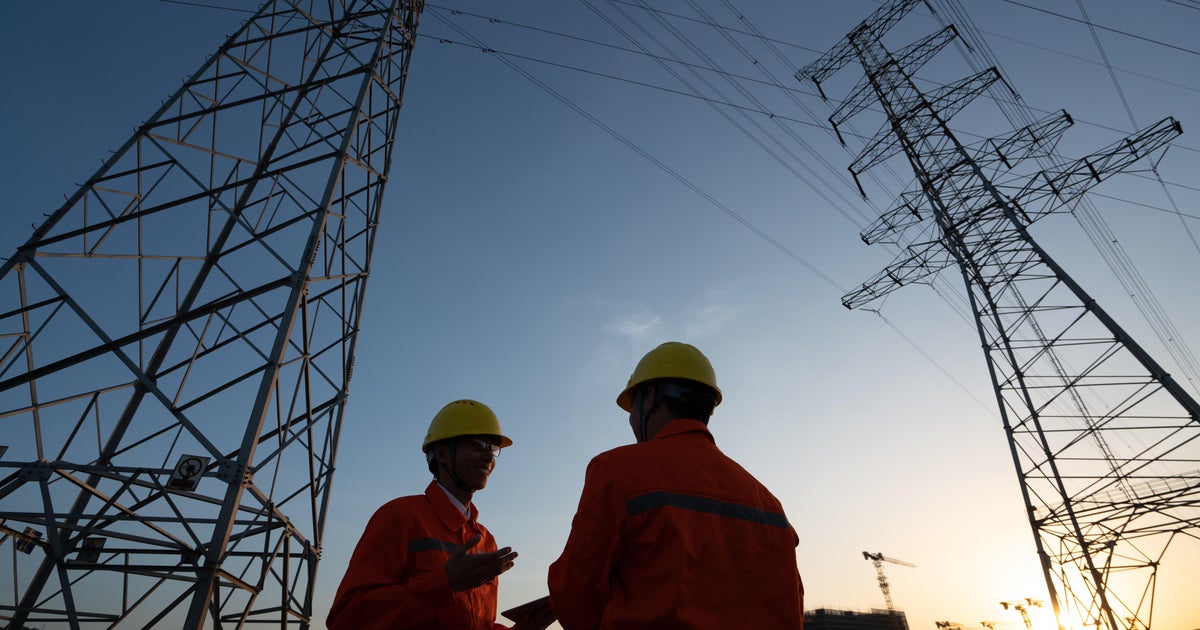
A lawsuit between a utility and a data center operator over who pays for grid expansion marks a critical inflection point for the AI industry. This isn't a simple commercial dispute; it's the first major battle over the multi-billion dollar physical cost of AI's exponential growth, shifting the sector's energy consumption from a theoretical concern to a direct conflict over infrastructure funding. As firms like Amazon, Google, and Microsoft race to build out capacity, this legal precedent will determine whether the immense cost of powering AI is socialized across ratepayers or borne directly by the tech giants, fundamentally altering the economics of data center deployment. The core of the dispute fundamentally alters the risk calculation for hyperscale projects. Utilities, operating under regulated models, are ill-equipped to handle a single customer demanding the power equivalent of a mid-size city without passing costs to the public. The lawsuit exposes the vulnerability in the data center industry's growth model, which has long assumed the grid was an inexhaustible, fungible resource. This forces a strategic recalculation for Amazon Web Services and Microsoft Azure, whose land-and-expand strategies must now prioritize regions not just by land cost, but by the willingness of utility commissions to finance or fast-track terawatt-scale grid upgrades. This legal challenge will trigger a wave of regulatory reckonings across key data center markets like Virginia, Ohio, and Arizona over the next 18 months. The likely outcome is the creation of new 'High-Density Infrastructure Tariffs' that force data center operators to directly fund their required grid enhancements, effectively privatizing the cost of AI's power backbone. The critical variable is no longer chip availability but power procurement and the political battles that govern it. This trajectory suggests AI's growth will be physically constrained by grid politics long before it is by software innovation.