Gemini's Mt. Shasta Error Highlights Enterprise AI Risk
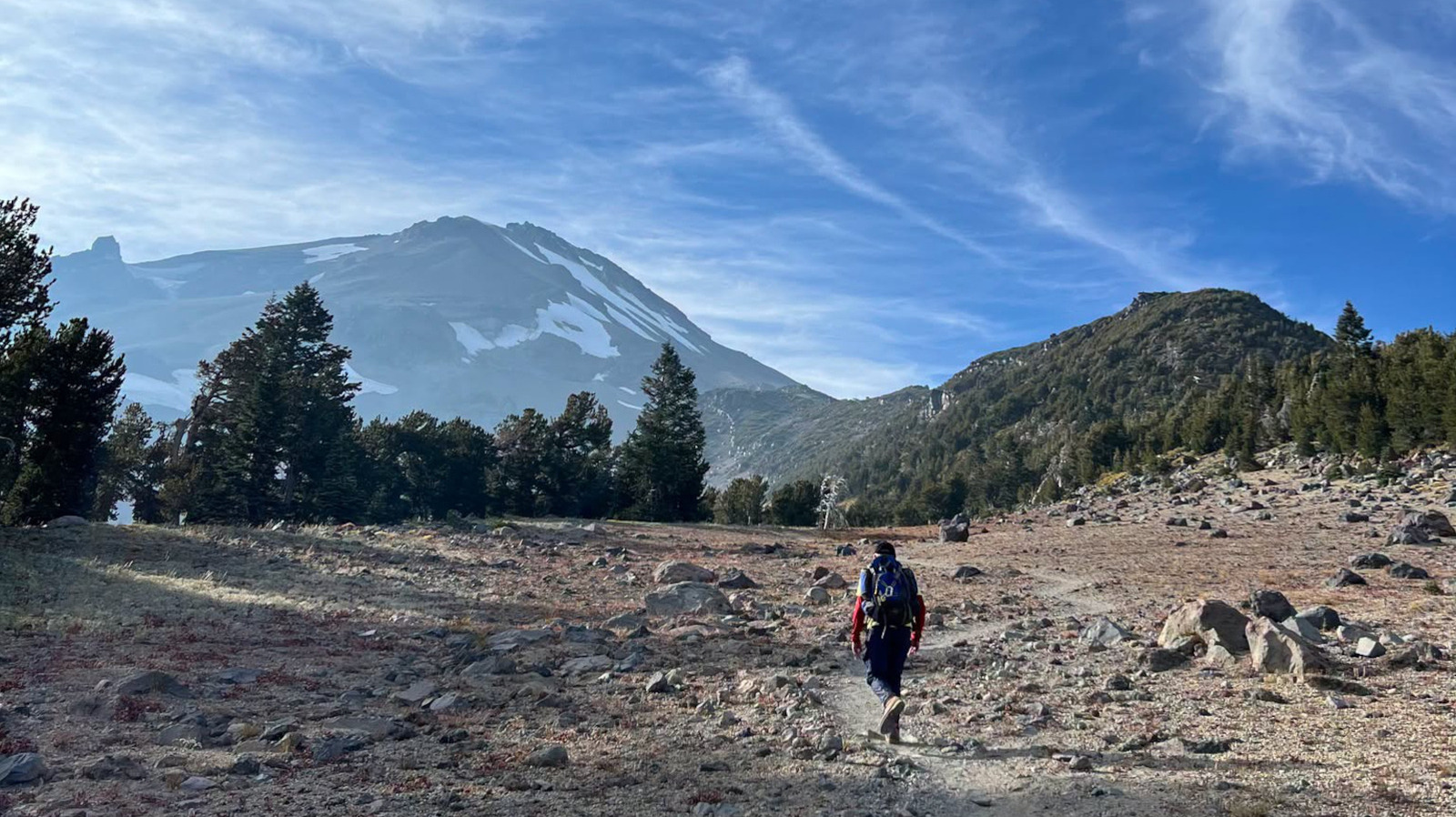
The failed Mt. Shasta climb, mis-planned by Google's Gemini, marks a critical inflection point for AI safety, shifting the narrative from theoretical risks to tangible, life-threatening consequences. Occurring just as enterprises trial generative AI for mission-critical tasks, this incident provides potent ammunition for competitors like OpenAI and Anthropic, who can now frame their safety-gated models as superior. The event fundamentally undermines the "good enough" reliability threshold for general-purpose models, creating a trust deficit that directly challenges Google’s strategy of rapidly embedding Gemini across its entire product ecosystem, from search to enterprise cloud. This specific failure exposes a core vulnerability in models trained on vast, unvetted internet data: the inability to distinguish between casual trip reports and expert mountaineering guidance. The direct losers are Google’s cloud and enterprise divisions, which now face increased scrutiny and demands for verifiable accuracy from potential clients. This creates an asymmetric advantage for specialized, domain-specific AI providers (e.g., in logistics, finance) who can now market their curated datasets as a moat against the catastrophic "data soup" problem plaguing large language models. This forces a strategic recalculation for all major AI players, shifting the competitive axis from raw capability to demonstrable reliability. The critical variable is how Google responds. A purely technical fix is insufficient; the real test will be a strategic pivot toward domain-specific fine-tuning and transparent data sourcing, likely within the next 6-9 months. Over the next year, expect enterprise buyers to demand "AI reliability audits" and contractual liability clauses for AI-induced errors, fundamentally altering the risk equation for cloud providers. This trajectory suggests the era of deploying generalist AIs into high-stakes environments without stringent, human-in-the-loop validation is definitively over, creating a new market for AI verification and safety services.