Community Resistance Challenges AI's Growth Trajectory
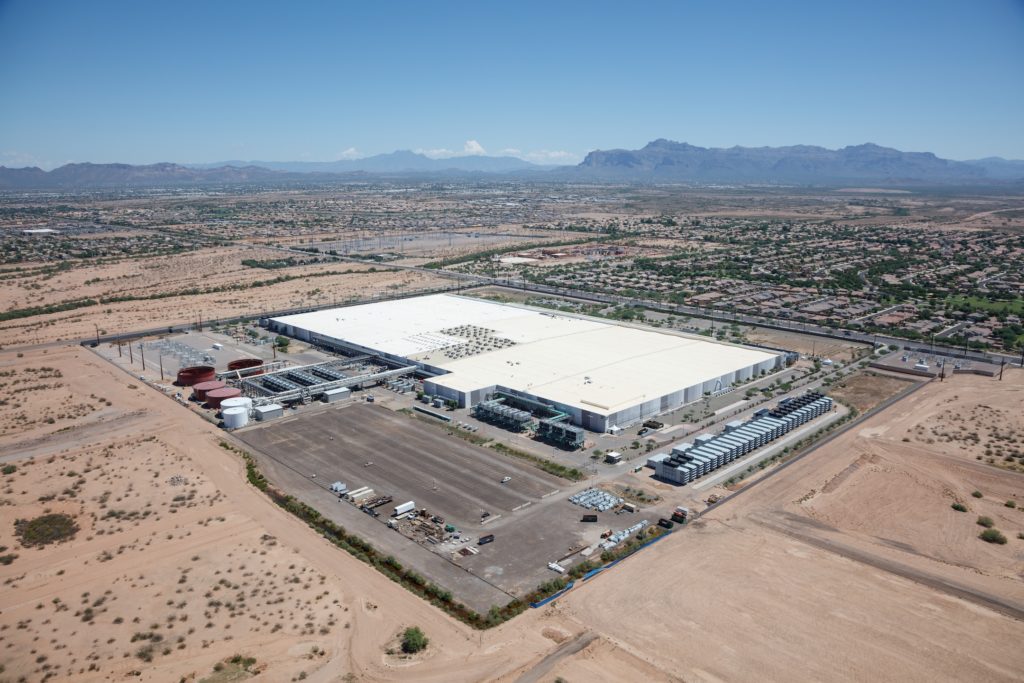
Rising community opposition to AI data centers represents a systemic, non-technical barrier challenging the industry's growth narrative. This isn't just isolated NIMBY-ism; it's a fundamental threat to the hyperscalers' ability to scale computation on demand, directly complicating the AI gold rush kicked off by firms like OpenAI and Anthropic. As firms like Microsoft, Google, and Amazon race to build out capacity, they now face a new front of resistance—local zoning boards and environmental regulations—that fundamentally alters the cost-benefit analysis of infrastructure expansion and challenges the long-held assumption of limitless, cheap cloud resources. The conflict fundamentally alters the site-selection calculus for cloud providers, shifting it from a purely economic decision to one of intense political and environmental risk management. Winners in this new landscape include regions with power and water surpluses, renewable energy providers who can offer 'green data center' solutions, and specialized legal and consulting firms expert in navigating local ordinances. The losers are the hyperscalers themselves, facing costly project delays, reputational damage, and a forced recalculation of their entire infrastructure roadmap, evident in stalled projects in states like Virginia and Arizona. This trajectory forces a long-term strategic pivot. Within 12 months, expect hyperscalers to prioritize regions with streamlined regulatory frameworks and clear green energy paths, even at a premium. Within three years, this will accelerate R&D into more efficient, less resource-intensive compute architectures, like advanced liquid cooling and optimized custom silicon. The critical variable is whether tech giants can successfully lobby for data centers to gain 'critical national infrastructure' status, preempting local opposition. The era of 'build anywhere' is definitively over; geopolitical and environmental siting is now a core cloud competency.