AI Data Center Growth Faces Political Headwinds from New Bill
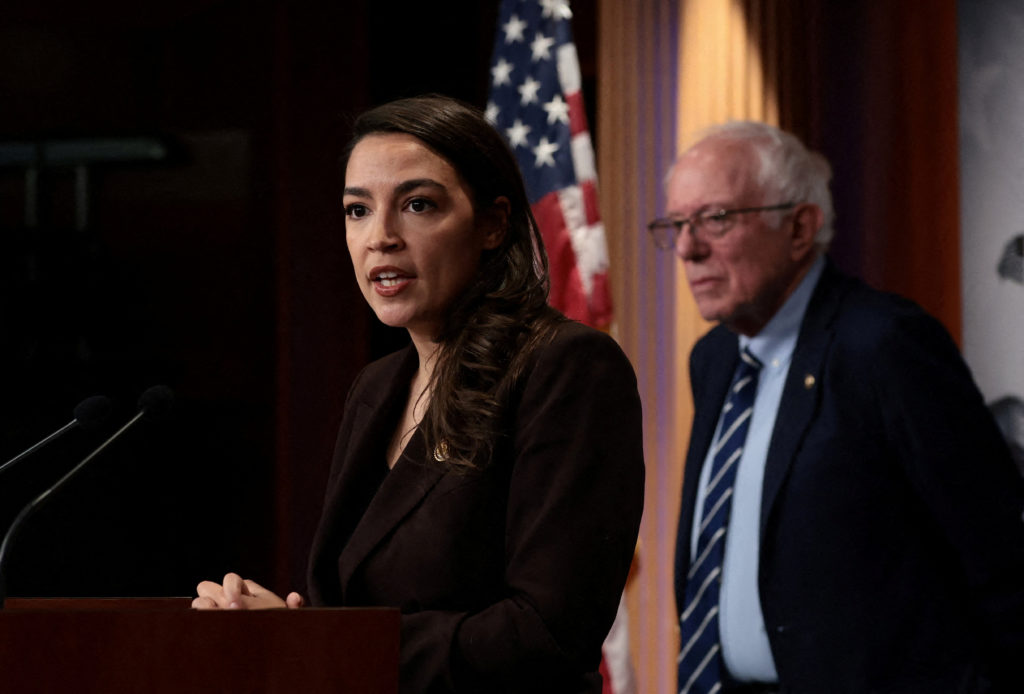
A bill introduced by Rep. Ocasio-Cortez and Sen. Sanders to pause new AI data centers signals a critical turning point where the exponential growth of compute is colliding with real-world physical and political limits. While unlikely to pass, its introduction weaponizes environmental and labor concerns to challenge the unchecked expansion of Big Tech's infrastructure, framing it not as innovation but as a resource drain. This legislative maneuver elevates the industry's soaring energy and water consumption from a line item on a utility bill to a national political vulnerability, echoing recent warnings from energy sectors about the grid's capacity to handle AI's projected demand. The proposed moratorium fundamentally alters the risk calculus for the hyperscale cloud providers—Amazon AWS, Microsoft Azure, and Google Cloud—who are predicated on perpetual, large-scale infrastructure build-outs. A pause, however temporary, would immediately make existing data center assets more valuable, benefiting REITs like Equinix and Digital Realty while potentially diverting future construction to less-regulated international locations. This creates a strategic recalculation for NVIDIA and other chipmakers, as their primary customers would be forced to slow procurement, disrupting the current demand cycle that has seen data center power consumption projections double by 2026. Looking forward, this bill serves as the opening salvo in a longer battle over the governance of AI's physical footprint. Within 12 months, expect state and local governments to leverage this precedent, imposing stricter zoning, water rights, and environmental impact assessments on data center projects, regardless of the federal bill's fate. The critical variable is whether the AI industry can proactively develop and commit to credible, verifiable standards for energy efficiency and resource use. This bill, successful or not, permanently shifts the data center expansion narrative from a purely technical race to a contested political negotiation.