AI's Power Needs Drive Joint Tech Pursuits With Auto Sector
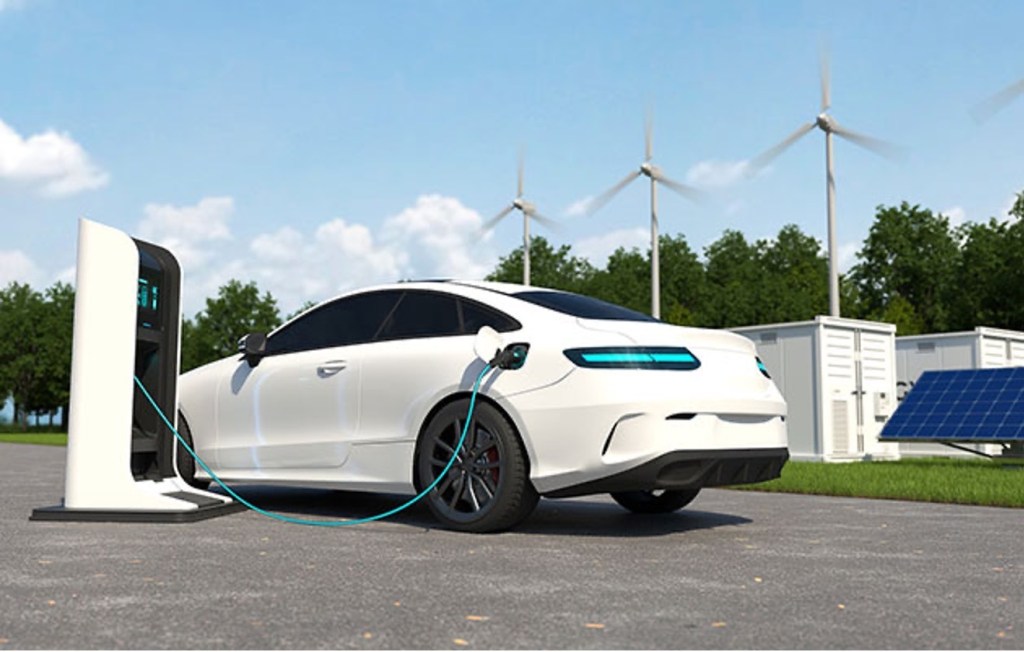
The convergence of AI data centers and the automotive industry around energy solutions is a strategic necessity, not a coincidence, driven by dual existential challenges. As AI models scale, their power consumption—highlighted by the demands of GPUs like Nvidia’s Blackwell—threatens to cap growth, making energy efficiency paramount for hyperscalers. Simultaneously, the electric vehicle sector is pushing the boundaries of battery management, power conversion, and thermal regulation to extend range and enable vehicle-to-grid applications. This shared battle for power density and grid stability forces two historically separate ecosystems into a symbiotic relationship, turning power electronics into a primary competitive front for both sectors. The mechanics of this convergence fundamentally alter the technology supply chain. AI data centers are now actively adopting automotive-grade power architectures, such as high-voltage DC distribution and liquid cooling systems, to manage the immense thermal loads of tightly packed processors. The winners are specialized semiconductor firms like Infineon, Texas Instruments, and Vicor, whose expertise in efficient, rugged power components is now critical for both cars and servers. This trend exposes a critical vulnerability in traditional enterprise hardware vendors, who risk being displaced by nimbler rivals that master the high-efficiency, high-density power conversion systems originally perfected for the demanding automotive environment. Looking forward, this convergence will reshape technology roadmaps and market structures over the next three years. In the near term (12-18 months), expect to see automotive power modules and GaN/SiC components explicitly marketed for AI accelerator cards. Longer-term, data centers may evolve to act as grid-balancing assets, mirroring the V2G functionality planned for EVs. The critical variable is the development of shared standards between the fast-moving tech sector and the regulation-bound auto industry. This trajectory suggests the emergence of a new, hybrid "industrial-tech" supply chain that prioritizes energy efficiency above all else.