US Grid's $1.4 Trillion AI Reckoning Approaches
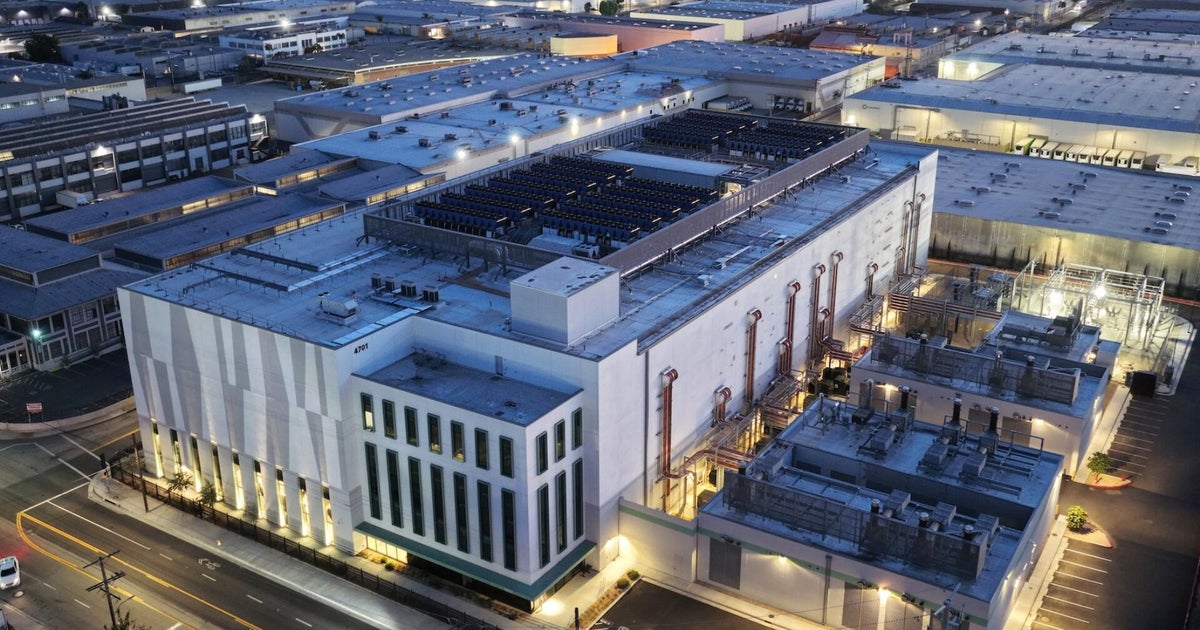
A planned $1.4 trillion, five-year investment by U.S. utilities to overhaul the nation's power grid is the first physical-world reckoning with generative AI's exponential energy demands. This move, detailed in a PowerLines report, transcends routine maintenance, representing a foundational infrastructure build-out to support the next decade of AI competition. It directly responds to hyperscalers like Microsoft and Google aggressively expanding data center capacity, framing electricity availability—not just silicon—as a primary competitive bottleneck. This development parallels the recent surge in demand for liquid cooling solutions, signaling a systemic shift where physical infrastructure is becoming as critical as software in the AI race. The investment fundamentally alters the data center economy by creating new winners and losers across the industrial and tech sectors. Winners include grid modernization firms like Siemens and Eaton, and utility giants such as NextEra Energy, who can leverage this capital expenditure to secure favorable rate cases and long-term revenue streams. This forces a strategic recalculation for cloud providers, who now face escalating and less predictable power costs, eroding the margins of their compute services. A single data center can consume as much electricity as 80,000 U.S. households, exposing the vulnerability in a growth model that assumed cheap, limitless power. Looking forward, this infrastructure overhaul will have cascading consequences for tech geography and market structure. In the next 12-24 months, expect an intense "land rush" for grid-adjacent properties and aggressive lobbying by tech firms for priority energy allocation. Over the next three to five years, the massive capital outlay will almost certainly translate to higher energy costs for all commercial and residential customers. The critical variable is the speed of regulatory approval for new transmission lines and power plants. This trajectory suggests the end of AI’s unfettered scaling, forcing a new era of compute efficiency and co-location strategies.