China's AI Autonomy: Alibaba Forges RISC-V Compute Path
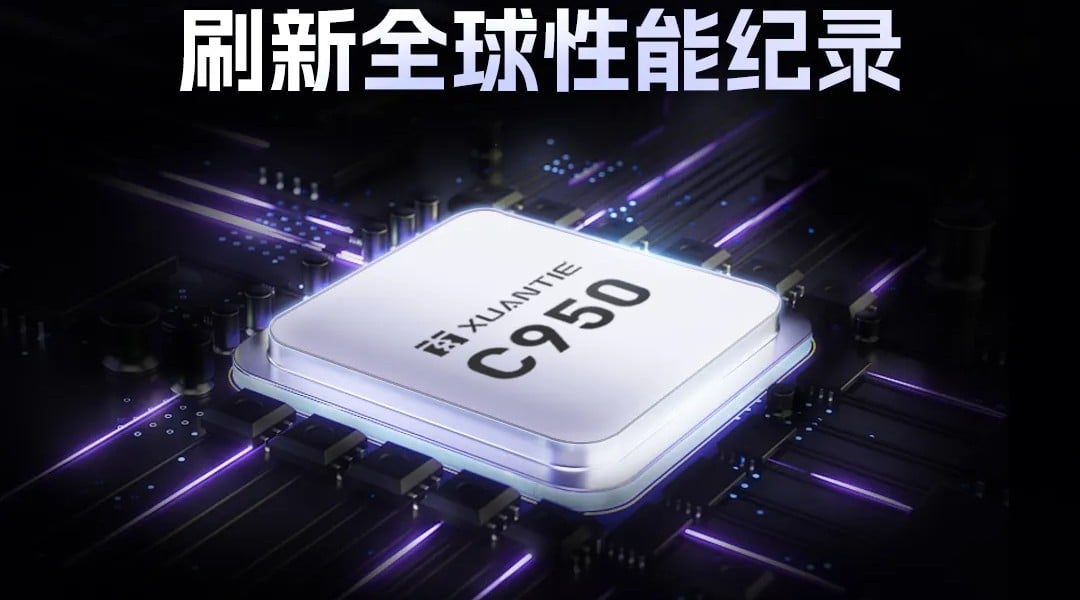
Alibaba’s new RISC-V server processor represents a deliberate strategic move to construct a fully domestic, high-performance computing stack insulated from US sanctions. While years behind western competitors in raw performance, the chip’s significance lies not in beating Nvidia today, but in building a viable, non-Western foundation for China’s AI ambitions. This initiative directly addresses the strategic vulnerability exposed by recent US export controls targeting high-end GPUs, providing a state-aligned alternative to the dominant x86 and Arm architectures. It is a foundational play for long-term technological sovereignty, aiming to shift China’s dependency inward. The processor’s real power comes from its vertical integration within Alibaba’s ecosystem, optimized to run domestic large language models like its own Tongyi Qianwen on its cloud infrastructure. This fundamentally alters the calculus for China’s digital infrastructure, creating a pathway to replace Western hardware with a tightly coupled, homegrown solution. The primary winner is Beijing’s strategic objective of self-reliance, with Alibaba positioned as a national champion. The long-term losers are Western IP holders like Arm and Nvidia, whose total addressable market in China now has a clearly defined expiration date if this domestic ecosystem achieves critical mass. The trajectory of this initiative now depends on software adoption beyond Alibaba. Within 12-18 months, watch for adoption signals from other Chinese tech giants like Tencent and Baidu; their participation would validate this as a national standard. In the longer term (3-5 years), the key metric will be the maturity of the developer ecosystem and the chip’s performance-per-watt at scale. The critical variable isn’t just building the chip, but creating a compelling software and hardware ecosystem that developers willingly choose, a challenge that has doomed many past silicon ventures.