AI Leaders Face Heightened Physical Threats After Altman Incident
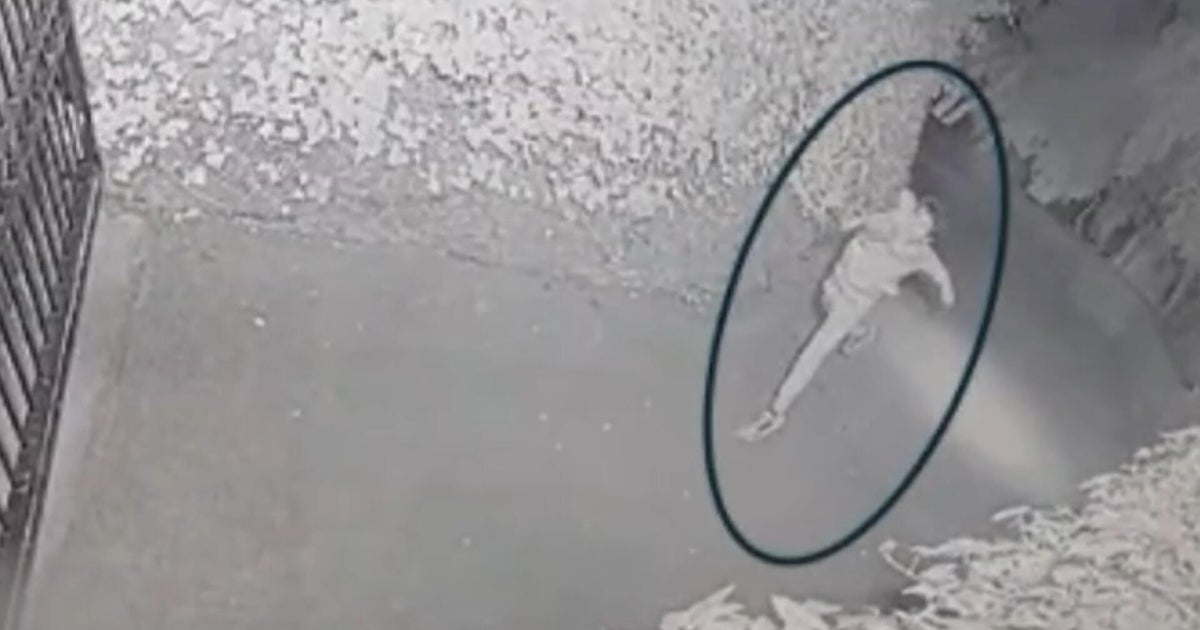
The release of surveillance photos showing a suspect in the Molotov cocktail attack on Sam Altman’s home marks a significant escalation in the AI safety debate, moving it from digital forums to the physical world. This incident firmly establishes that the leaders of prominent AI labs are now high-value targets, fundamentally altering the operational risk calculus for the entire industry. It mirrors the recent trajectory of intense public scrutiny and polarization surrounding AGI development, forcing a strategic recalculation for companies that have championed a public-facing, almost celebrity-like role for their top executives. This physical threat moves the industry from a theoretical risk landscape to a tangible one. The attack immediately creates a new, costly mandate for physical security that will become a standard line item for AI labs, a "security tax" on innovation. The primary losers are organizations like OpenAI, which thrive on an open, collaborative, and university-like campus culture; this will inevitably give way to higher walls and more stringent access controls. This fundamentally alters the talent proposition, as attracting top researchers now involves guaranteeing their physical safety from extremist actors. Forcing a more closed, fortified posture could inadvertently favor more secretive, less publicly engaged AI development models, undermining the very ideal of "openness" that companies like OpenAI were founded upon. The forward-looking implications will unfold over the next 3 to 12 months, starting with a dramatic increase in visible executive protection for AI leaders. We can expect this to become a significant factor in board-level governance discussions, focusing on duty-of-care obligations and ballooning insurance premiums. The critical variable will be whether this remains an isolated incident or becomes a trend. If copycat attacks emerge, it could trigger a chilling effect on academic and public engagement by AI researchers, driving the industry further underground. The real test is whether the sector can maintain its collaborative ethos under siege.