Musk-OpenAI Legal Clash Reignites Debate Over AI's Future Path
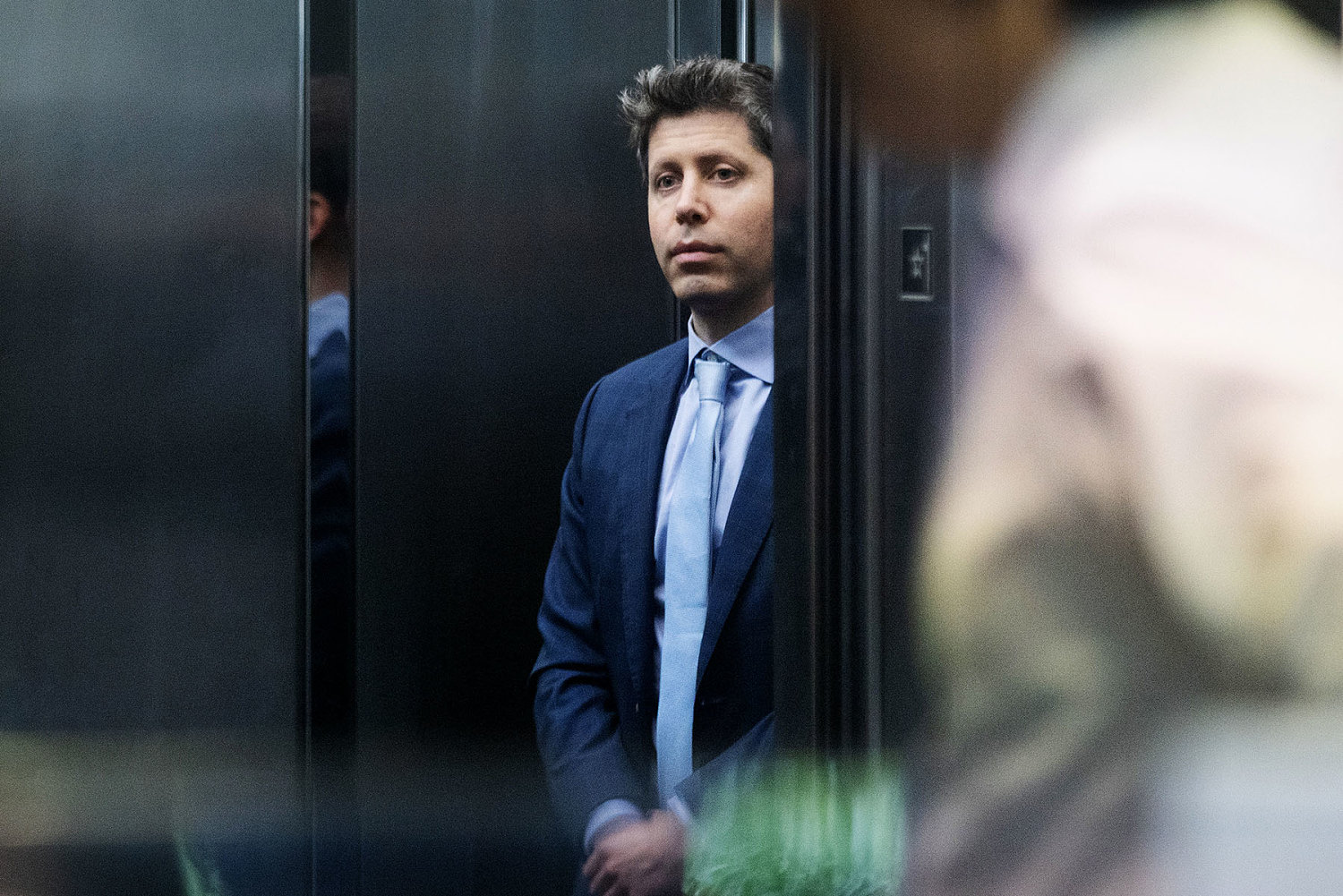
Sam Altman's searing testimony, alleging Elon Musk twice attempted to fatally undermine OpenAI, reframes a personal feud as a battle for the soul of the AI industry. The lawsuit isn't merely about breach of contract; it's a public trial of the dominant AI development model—OpenAI's capped-profit structure—versus the open-source, decentralized alternative Musk now champions. Occurring amid ongoing regulatory debates and leadership instability across the sector, this legal confrontation forces the entire industry to confront the inherent contradictions between world-changing missions and the commercial incentives required to fund them. The mechanics of Musk's legal challenge seek to invalidate OpenAI's lucrative pivot, potentially unwinding its foundational partnership with Microsoft and exposing its core intellectual property. An Altman victory would legally consecrate the capped-profit model, securing its commercial future. The primary losers are enterprise customers, now facing profound platform risk and uncertainty. Conversely, competitors like Google, Meta, and Anthropic stand to gain significantly from the chaos, positioning themselves as more stable partners. This legal gambit exposes the fundamental vulnerability in OpenAI's hybrid structure, forcing a strategic recalculation for all its stakeholders. Regardless of the verdict, the proceedings create lasting damage by publicizing the philosophical schisms within the world's leading AI lab. In the next 6-12 months, expect intensified regulatory scrutiny into the governance structures of all major AI players. The critical variable is whether the court treats OpenAI's founding agreement as a legally unbreakable contract or a mission statement superseded by subsequent governance. This trajectory suggests a future legal and ideological bifurcation of the AI industry, with the real test being whether top-tier talent begins migrating to less embattled competitors.