Altman Testimony Recasts Musk's AI Lawsuit as Control Bid
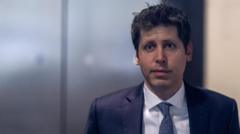
Sam Altman's testimony, alleging Elon Musk sought total control of OpenAI, reframes Musk's lawsuit from a principled stand on AI safety into a raw power struggle. This legal fight is now the public arena for the industry's core ideological conflict: the tension between open, non-profit ideals and the immense commercial gravity of generative AI. This clash isn't just a founder dispute; it's a proxy war over the future of AI governance, directly echoing the recent open-sourcing of Musk's Grok, which now appears less like a principled move and more like a direct competitive assault on a rival he failed to acquire. The mechanics of this conflict fundamentally alter the competitive landscape. By painting Musk as a would-be autocrat, Altman's team aims to undermine the central claim of his lawsuit—that OpenAI betrayed its humanitarian mission. The primary beneficiary is Microsoft, whose multi-billion dollar partnership now seems like a zone of stability compared to OpenAI's internal governance chaos. Competitors like Google and Anthropic also gain, as they can now pitch their own platforms to enterprise clients as being free of such existential founder drama. This battle weaponizes the very concept of 'AI safety,' turning it into a legal tool in a fight for market dominance. Looking forward, this lawsuit forces a critical reckoning that will extend far beyond this case. It sets a trajectory for courts to begin legally defining ambiguous terms like 'AGI' and what 'benefit to humanity' constitutes, with discovery in the next 6-12 months likely to expose sensitive internal documents. The real test will be whether the courts treat this as a mere contract dispute or as a landmark case on corporate responsibility in the AI era. This legal battle is no longer about OpenAI's original sin; it's become a strategic vehicle for Musk to hobble a key competitor to his own ambitions at xAI.