AMD Redefines AI PC with Local Supercomputing Play
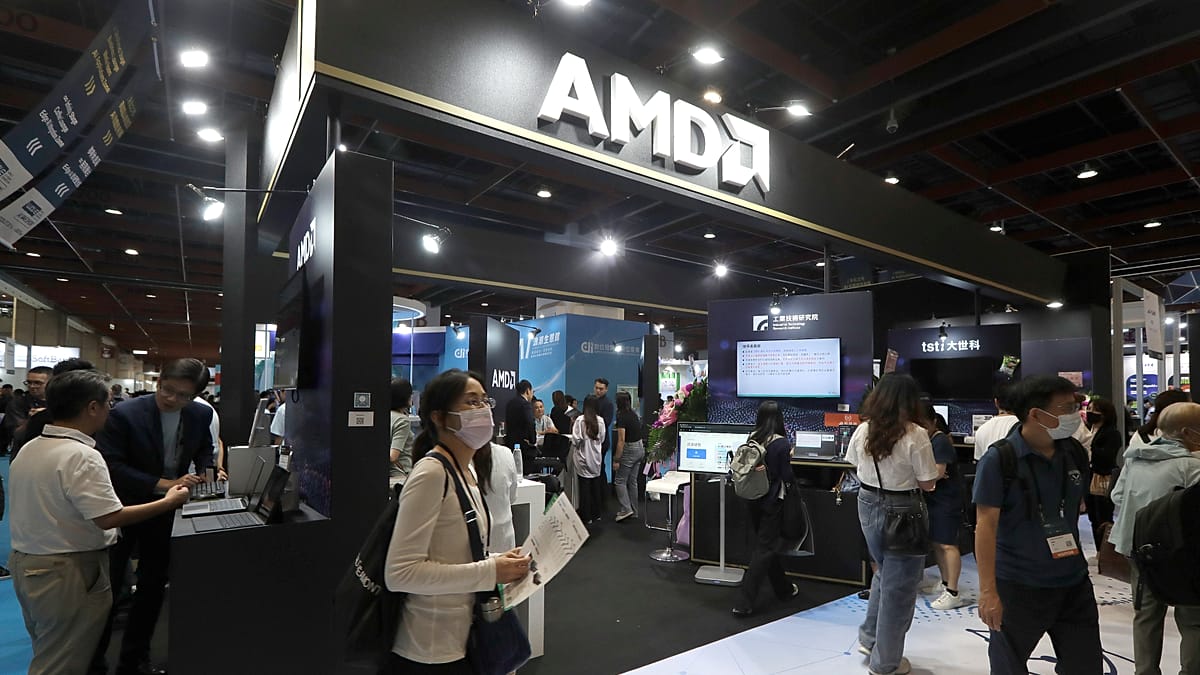
AMD’s launch of its “personal supercomputer” is a direct assault on the burgeoning AI PC market, strategically timed to intercept the next hardware refresh cycle. By framing the device not merely as a powerful PC but as a localized supercomputer, AMD is attempting to redefine the category, shifting the narrative from cloud-dependent AI to powerful, on-device processing. This move puts it on a collision course with Nvidia’s dominant CUDA ecosystem and Intel’s established PC chipset business, aiming to capture developers and prosumers who are increasingly bottlenecked by API-based AI services and GPU shortages. The core of AMD’s strategy is to create an integrated hardware and software ecosystem that bypasses Nvidia’s moat. This “supercomputer,” likely a high-end desktop powered by their MI-series Instinct accelerators or advanced Ryzen/Radeon combinations, gives developers a turnkey solution for AI model training and inference. The primary winners are AI researchers and small-to-medium-sized businesses seeking to avoid exorbitant cloud costs. The clear loser is any competitor banking on a purely cloud-centric AI future, as AMD is aggressively decentralizing high-performance computing and exposing the vulnerability of reliance on centralized data centers. Looking forward, AMD’s success hinges on its ability to build a developer community around its ROCm software platform to rival Nvidia’s CUDA. The first 12 months are critical; watch for major software vendors and open-source projects announcing native ROCm support as a key indicator. Over the next three years, this initiative could bifurcate the AI development market into two camps: Nvidia’s proprietary, high-margin ecosystem and AMD’s more open, hardware-agnostic alternative. The real test will be whether the promise of a “personal supercomputer” is compelling enough to break developers’ decade-long CUDA habit.