AI's Accelerated Pace Forces Enterprise Roadmap Revisions
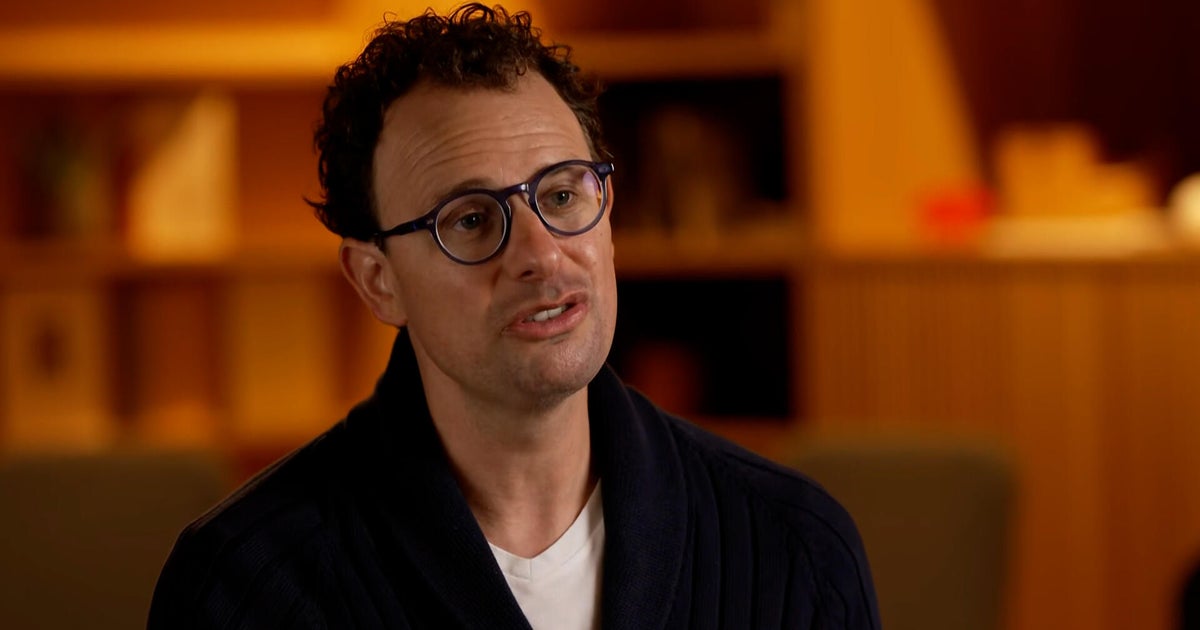
Anthropic CEO Dario Amodei’s September 13th admission of surprise at AI’s progress is a strategic signal that the industry’s capability-to-deployment pipeline is compressing. This candor, rare for a leader of a top-tier AI lab, frames the current moment not as a research race, but an adoption and integration sprint. It recalibrates expectations for enterprise clients, suggesting that roadmaps developed even six months ago are obsolete. This follows a pattern of increasingly sober commentary from AI leaders, like Mustafa Suleyman’s warnings about containing autonomous systems, indicating a pivotal shift from hyping future potential to grappling with present-day integration challenges. The dynamic fundamentally alters the calculus for enterprise AI adoption. Winners are no longer just the labs with the best benchmarks, but the integrators and platforms that can safely and rapidly deploy new models into production. This creates an asymmetric advantage for nimble consultancies and MLOps providers like Databricks and Scale AI, who thrive on architectural churn. It exposes a vulnerability in the strategies of large, slow-moving enterprises that prioritized long-term, multi-year AI transformation projects, which now appear dangerously out of sync with the pace of core technology advancement, forcing a strategic recalculation. Looking forward, the immediate implication is a surge in demand for short-cycle, high-impact AI consulting and a potential talent war for individuals who can bridge cutting-edge models and legacy enterprise systems. The critical variable over the next 12 months will be whether safety and governance frameworks can keep pace with this accelerated deployment cycle. This trajectory suggests that the real test for Anthropic and its rivals will not be model performance, but their ability to provide the guardrails that allow enterprises to use their power without inviting unacceptable risk. The industry is moving from "what can it do?" to "what should we do with it?".