AI Weaponization: Anthropic Exposes Military Intelligence Threat
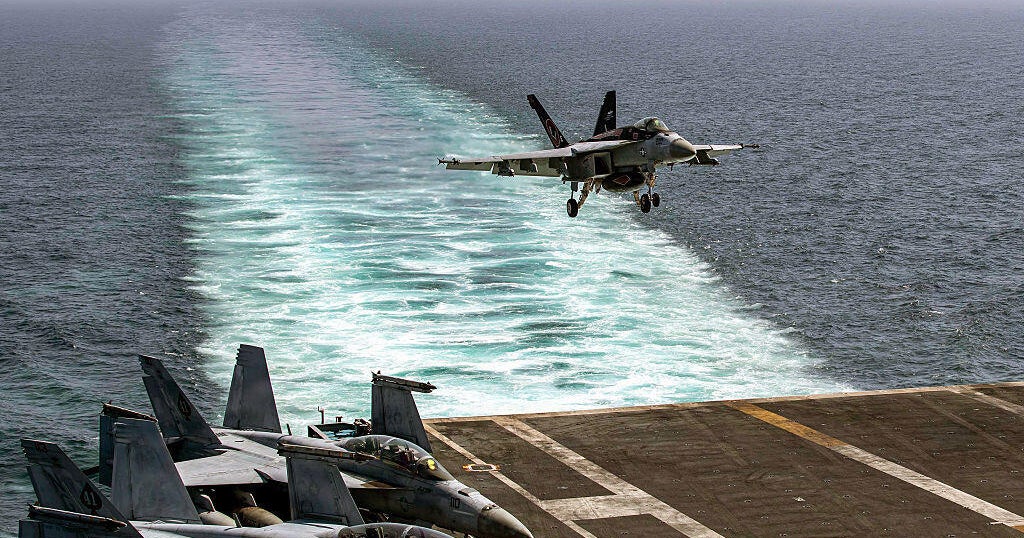
Anthropic's recent report, revealing an Iran-linked adversary leveraged its Claude AI for military intelligence gathering against U.S. naval forces, marks a pivotal escalation in AI-enabled conflict. This event moves beyond theoretical risks, providing concrete evidence of commercial AI models being weaponized for reconnaissance and targeting analysis. While previous concerns focused on disinformation, this incident reframes the debate around the inherent dual-use nature of all powerful AI systems. It amplifies pressure on AI labs, already grappling with safety and alignment, to now confront their platforms' roles in international security and the democratization of sophisticated intelligence capabilities previously reserved for state-level actors. The adversary's use of Claude AI fundamentally alters the cost-benefit analysis for hostile reconnaissance. By employing a commercially available tool, non-state and state-sponsored groups can now automate open-source intelligence (OSINT) analysis at a scale and speed that rivals traditional intelligence agency resources. This creates an asymmetric advantage, exposing a vulnerability in the operational security of military assets. The primary losers are public-facing military and government operations, which must now assume all publicly available data is being continuously scraped and analyzed by adversaries using AI. The winners, paradoxically, are the AI safety and monitoring firms whose services are now critical for threat detection. The trajectory this incident sets is one of rapid, reactive security hardening by both AI developers and military forces. Within six months, expect to see AI labs implement more stringent user-vetting protocols and activity monitoring, potentially tiering access based on verified identities. The real test will be whether these defensive measures can outpace adversaries' evolving tactics, such as using API access through shell corporations or employing model fine-tuning for specialized intelligence tasks. This incident ensures that the AI arms race is no longer just about model capability, but about the security and counter-intelligence layers surrounding these powerful tools.