Baltimore's xAI Lawsuit Tests AI Firm Liability, Reworking Industry Norms
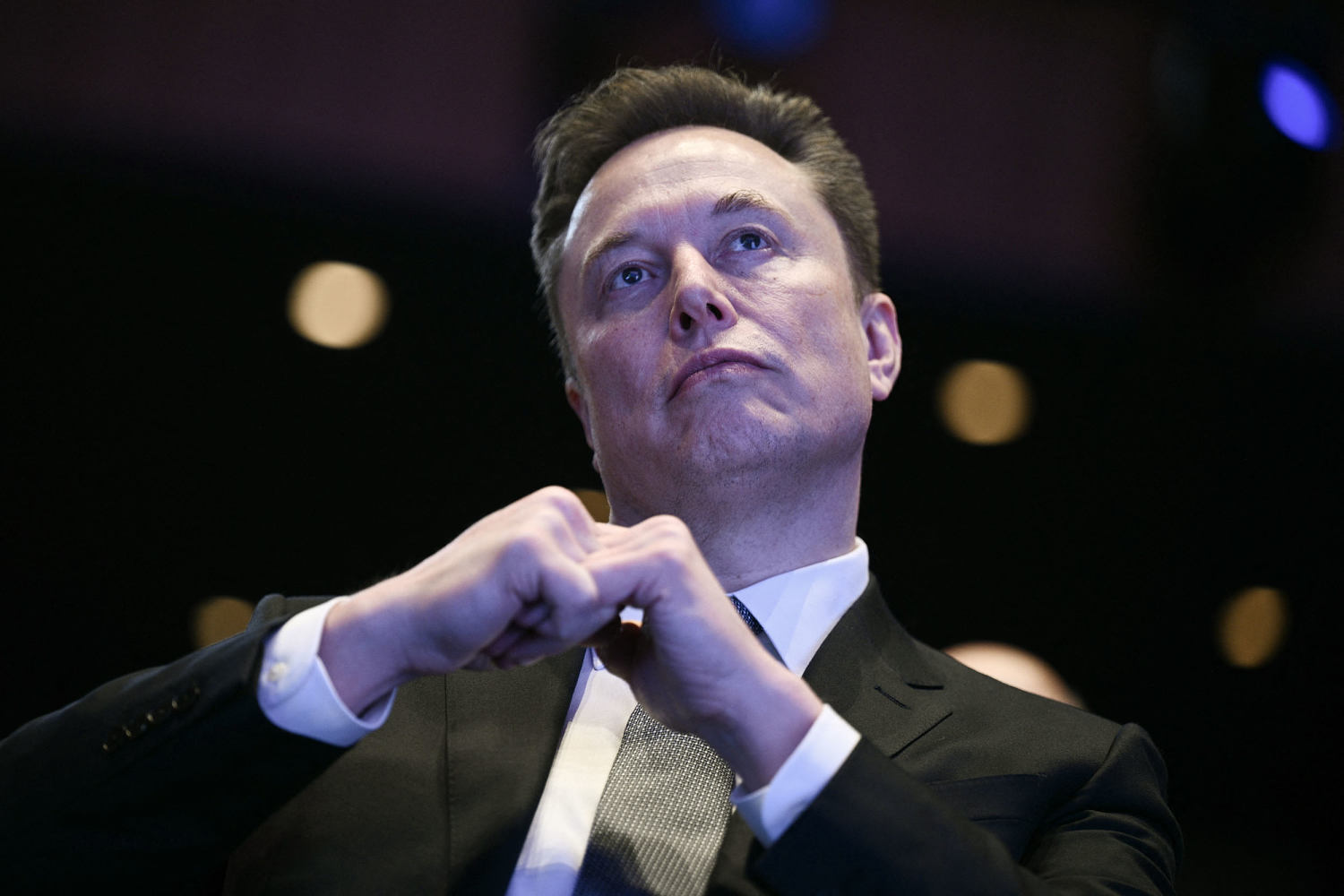
The City of Baltimore’s lawsuit against xAI over its Grok model generating non-consensual sexual images marks a critical legal inflection point for the generative AI industry. This is not merely a content moderation dispute; it’s a direct challenge to the "rebellious" and less-restricted AI development ethos championed by Elon Musk. The suit fundamentally questions whether AI firms can be held liable for the outputs of their models, a test case that could dismantle the quasi-Section 230 shield the industry has implicitly operated under. Coming just as enterprises weigh the risks of AI adoption, this legal battle elevates the safety-first posture of rivals like Anthropic from a philosophical choice to a core strategic asset. The lawsuit strategically targets xAI’s potential negligence in designing and deploying a model known for its provocative and less-filtered nature. This approach fundamentally alters the risk calculus for the AI sector, shifting the legal burden from end-user misuse toward developer foresight and responsibility. The immediate losers are xAI and its high-risk, high-reward strategy, which now faces significant legal and reputational costs. Conversely, Google and Microsoft, who have invested heavily in guardrails for their commercial AI offerings like Gemini and Copilot, emerge as winners. Their conservative approach is instantly reframed as a vital assurance for enterprise clients, creating a stark competitive differentiator where safety now equals market advantage. The case