Public Alarm Over AI Energy Footprint Shifts Policy Debate
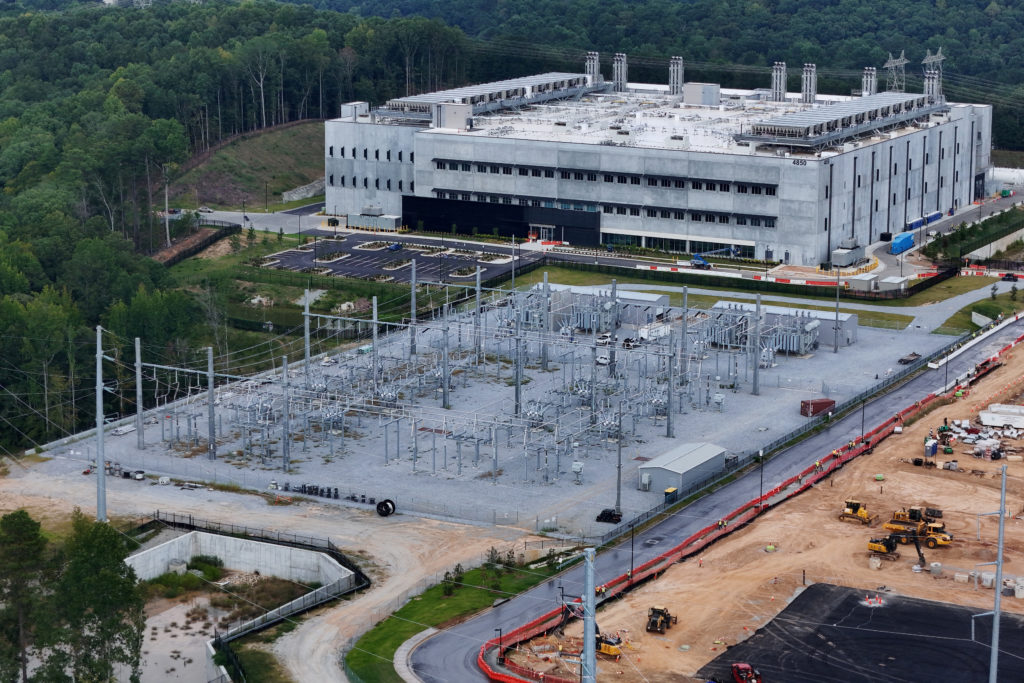
A new AP-NORC poll reveals that rising public concern over AI's environmental impact has become a rare bipartisan issue ahead of the midterms. This development fundamentally alters the AI policy landscape, shifting the debate from abstract anxieties about jobs and ethics to the concrete, measurable domains of energy consumption and carbon emissions. Unlike the fragmented policy approaches to data privacy, this unified public sentiment creates a potent political mandate for regulation, putting pressure on an industry already grappling with the immense power demands of next-generation models like Google’s Gemini and OpenAI’s GPT-4, which can require the energy equivalent of a small town. The immediate losers are hyperscale cloud providers—AWS, Google Cloud, and Microsoft Azure—who now face the prospect of mandated emissions reporting, energy efficiency standards, and potential carbon taxes on their AI workloads. This creates a significant competitive advantage for chipmakers like NVIDIA and Intel, whose next-generation silicon is designed for superior performance-per-watt, making energy efficiency a primary selling point. The poll exposes the strategic vulnerability in the growth-at-all-costs model of AI development, forcing a recalculation for companies whose primary competitive moat is the sheer scale of their energy-intensive compute infrastructure. The critical variable now is whether regulators will target the infrastructure providers or the model developers. Over the next 12-18 months, expect a wave of legislative proposals focused on data center energy sources and hardware efficiency, directly mirroring Europe’s Green Deal initiatives. This trajectory suggests that securing access to green energy will become as crucial for AI leadership as access to GPUs. The real test will be whether US policymakers can craft effective standards without stifling innovation, a challenge that will define the next phase of AI competition and global technology leadership.