Caitlin Clark AI Image Blunder Exposes Corporate Brand Pitfalls
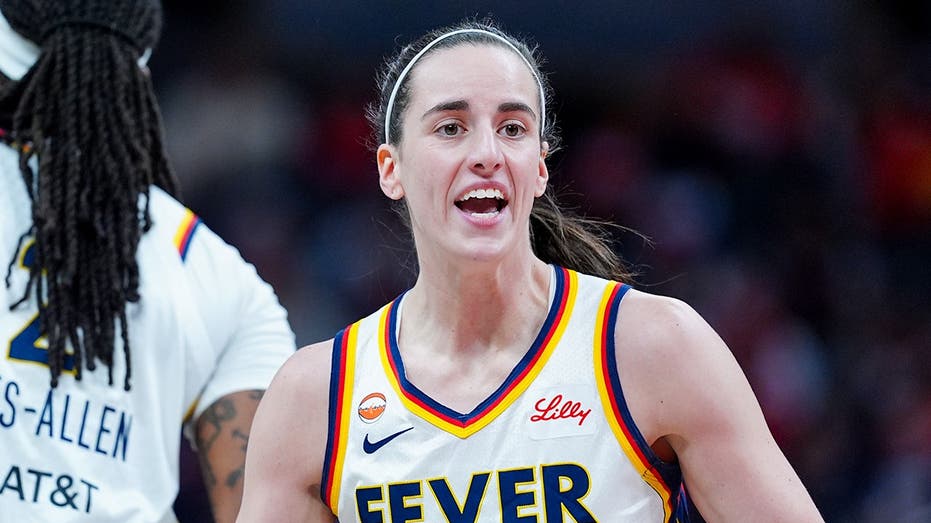
The Indiana Fever's social media post of an AI-generated image of Caitlin Clark with a distorted hand, and her subsequent public mockery of it, marks a pivotal case study in the risks of generative AI adoption in corporate communications. While seemingly minor, the incident provides a high-visibility benchmark for the gap between the technology's hype and its operational readiness for high-stakes brand management. It highlights how quickly marketing departments have embraced AI for content creation without implementing the necessary quality control, exposing major brands to public ridicule. This event moves the conversation beyond theoretical risks, creating a tangible C-suite and boardroom-level reference point for the reputational downsides of improperly governed AI experimentation. The dynamic exposes a clear set of winners and losers. Clark herself wins, reinforcing her authentic and media-savvy personal brand by humorously pointing out the corporate slip-up. The Indiana Fever's marketing team loses significantly, appearing technologically unsophisticated and careless with the image of its star asset. On a broader scale, this undermines the "good enough" positioning of many low-cost, off-the-shelf AI image generators. The event forces a strategic recalculation for marketing agencies and internal teams, who now face increased pressure to verify the output of automated tools, fundamentally altering workflow assumptions that prioritize speed and cost over anatomical and reputational integrity. Looking forward, this incident will accelerate the bifurcation of the AI content generation market. In the next 6-12 months, expect a flight to quality as risk-averse brands seek out enterprise-grade, "brand-safe" AI platforms that offer consistency and accuracy guarantees, even at a premium. The critical variable will be whether the demand for high-volume, low-cost social media content outweighs the fear of public embarrassment. This event serves as a critical warning shot; the real test will be whether it leads to formalized AI governance policies within marketing organizations before a more reputationally damaging AI-driven error occurs, such as a deepfake or AI-generated misinformation attributed to the brand.