California's AI Order Challenges Federal Inaction, Eyes National Influence
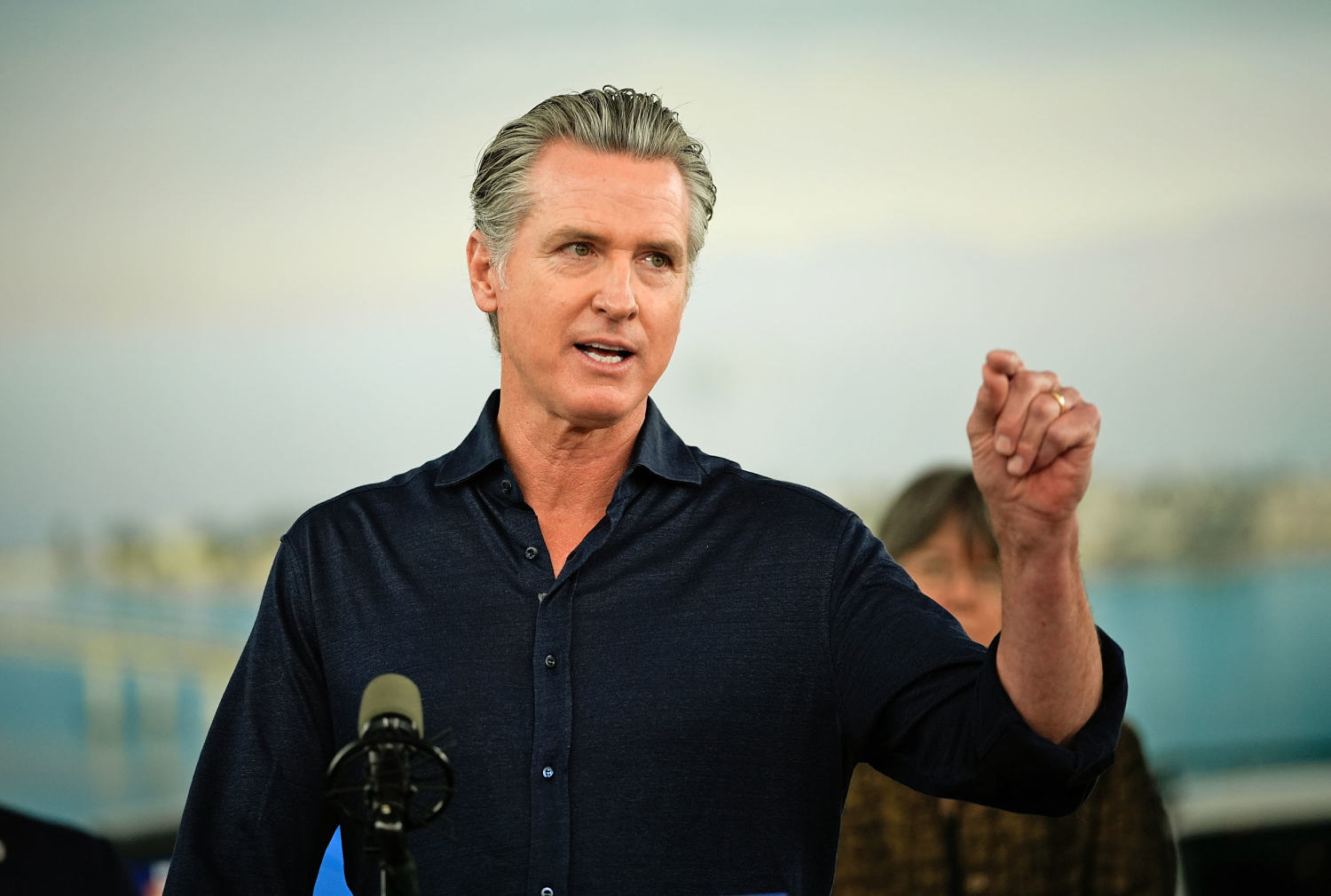
California Governor Gavin Newsom’s September 6th executive order on AI safety establishes a formal state-level apparatus to study and govern AI development, representing the most significant US sub-national policy move to date. This action strategically positions California, home to AI leaders like Google, Meta, and OpenAI, as a direct regulatory counterweight to federal inaction and the EU’s AI Act. By mandating risk assessments, resource pilots, and a formal state partnership, Newsom is creating a regulatory sandbox that will inevitably shape national conversations, forcing a fragmented DC landscape to react to a coherent, state-backed vision for AI governance. The order creates an asymmetric advantage for incumbent tech giants with established compliance and legal teams, while imposing significant new operational burdens on startups. Winners include consulting and law firms specializing in AI ethics and compliance, who will see a surge in demand. Losers are early-stage AI startups in California, who now face a higher cost of doing business compared to rivals in less-regulated states like Texas or Florida. This forces a strategic recalculation for venture capitalists, who must now price in this new layer of regulatory risk when evaluating California-based investments, potentially shifting capital allocation elsewhere. The critical variable is how quickly the state can translate the order’s broad mandates into concrete, enforceable regulations. Over the next 12 months, expect a flurry of state agency reports, with the first tangible legislative proposals likely emerging by early 2025. This trajectory suggests California is not waiting for the federal government and aims to create a de facto national standard, much like it did with vehicle emissions. The real test will be whether the state’s final rules prioritize genuine innovation and safety or devolve into bureaucratic capture that stifles the next generation of AI development.