Chabad's AI-Human Matchmaking Challenges Algorithmic Dating Dominance
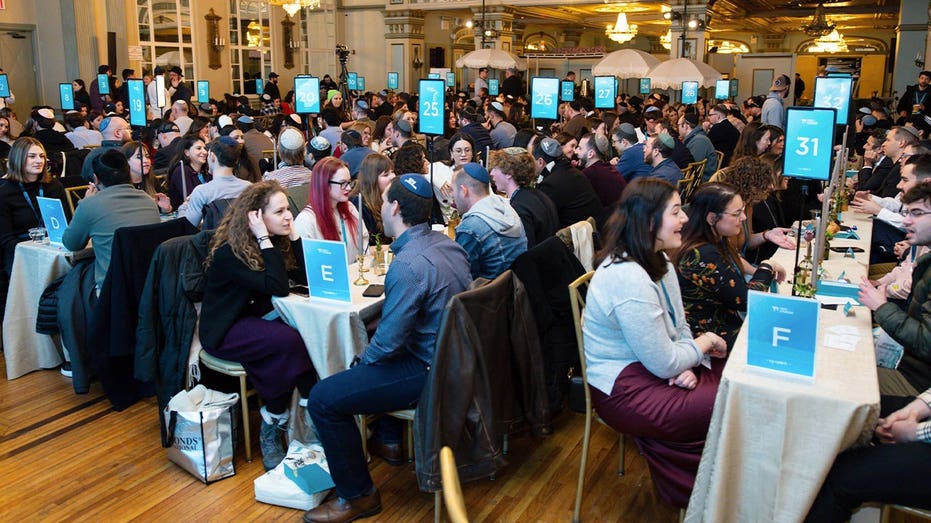
Chabad’s Met@Chabad initiative, which blends AI matching with rabbi-vetted profiles for 13,000 Jewish singles, represents a significant strategic challenge to the purely algorithmic dating market. This move isn’t just a niche event; it’s a direct response to the "swipe fatigue" and trust deficit plaguing mainstream platforms. By reintroducing a human verification layer atop scalable technology, it mirrors the broader industry shift towards human-in-the-loop AI systems, moving beyond full automation to augmented intelligence and signaling a market demand for higher-trust, community-specific solutions that incumbents like Match Group have largely ignored. The model’s core strength lies in its operational mechanics: AI handles the initial large-scale filtering and logistical coordination, while the human (rabbi) vetting provides a crucial layer of trust and cultural alignment that algorithms cannot replicate. This fundamentally alters the value proposition, creating winners in niche community platforms and providers of augmented AI tools. It simultaneously exposes a key vulnerability in the business models of Bumble and Hinge, whose reliance on massive, unvetted user pools is reframed as a weakness, not a strength. This forces a strategic recalculation for an industry optimized for quantity over quality. Looking forward, the success of Met@Chabad will likely trigger a wave of imitators across other high-affinity groups, from specific religious denominations to elite professional circles, fracturing the monolithic dating market. The critical variable will be whether this hybrid model can scale without diluting its core promise of human-vetted quality. In the next 12-18 months, expect to see mainstream platforms attempt to acquire or build their own "verified" community verticals as a defensive measure. This trajectory suggests the future of social matching lies not in better algorithms alone, but in using AI to scale trusted human judgment.