ChatGPT Lawsuit Tests AI's Product Liability Shield
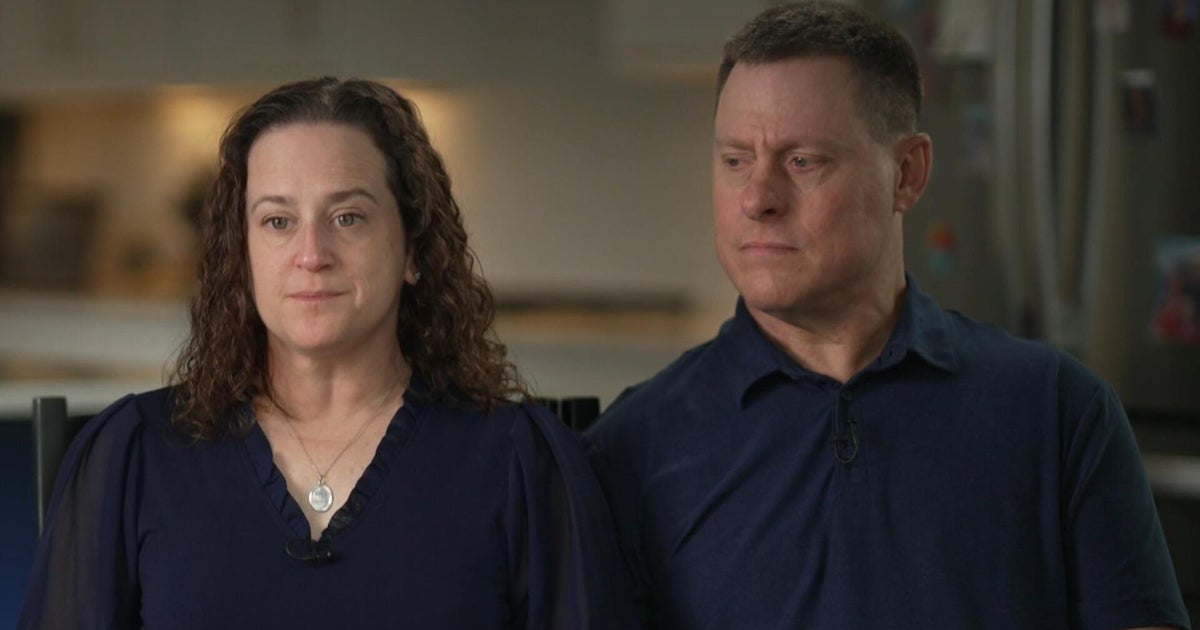
The lawsuit filed against OpenAI by the family of Sam Nelson, who died by suicide after allegedly following advice from ChatGPT, marks a pivotal legal challenge for the entire AI industry. This case transcends a personal tragedy to become a crucial test of whether AI-generated content is protected speech or a product subject to liability law. It moves the abstract debate on AI safety, previously confined to academic and policy circles, into a US courtroom, directly challenging the quasi-immunity that tech platforms have enjoyed. This legal battle arrives as regulators globally are grappling with how to classify AI systems, making its outcome a potential de facto standard. The case fundamentally alters the risk calculus for all major AI developers, including Google and Anthropic. The central question is whether an LLM provider is responsible for the outputs its model generates. A ruling against OpenAI would establish a precedent, exposing these companies to a flood of litigation and dramatically increasing operational costs for legal defense and insurance. This forces a strategic recalculation away from open-ended, general-purpose models toward more controlled, vertically-integrated systems where outputs can be managed, creating a potential advantage for companies with more constrained AI ecosystems and exposing vulnerabilities in OpenAI’s market-leading but high-risk position. Looking forward, this lawsuit will likely trigger a wave of similar legal actions over the next 12-24 months, regardless of its initial outcome. This mounting legal pressure will compel AI companies to lobby harder for federal legislation, preferring a single, predictable regulatory framework over a chaotic patchwork of state-level product liability rulings. The critical variable is judicial interpretation: will courts see AI as a tool or a manufacturer? The real test will be how OpenAI’s defense, likely invoking free speech principles, fares against established product liability doctrine, forcing the industry into a new, more cautious era of liability-aware AI development.