ChatGPT's Betting Failure Reveals Generative AI's Predictive Weakness
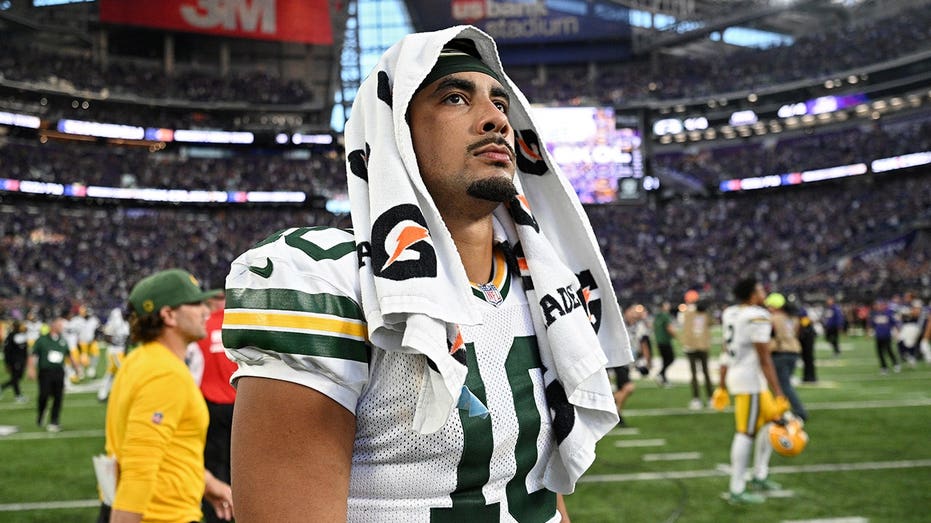
The public spectacle of a ChatGPT model registering a disastrous 0-5 start in a Week 1 NFL betting challenge, losing 5.23 units, highlights a critical reality check for AI in predictive analytics. While generative AI excels at synthesizing known information, this failure underscores its struggle with stochastic, high-variance events like professional sports. This contrasts sharply with the recent successes of narrow AI in complex but bounded games like Go, revealing a significant gap between generative capabilities and real-world predictive reliability. The event reframes the public discourse from AI infallibility to the nuanced challenges of applying LLMs to unpredictable domains where data patterns are weak and context is everything. The experiment’s failure exposes the fundamental limitations of using publicly available, generalized training data for specialized predictive tasks. Sports betting markets are notoriously efficient, incorporating vast amounts of quantitative, qualitative, and sentiment data that a generic LLM cannot adequately weigh. This creates an asymmetric advantage for specialized data providers and proprietary trading firms like Sportradar and Genius Sports, whose entire business models are built on collecting and interpreting this specific data. For them, ChatGPT