OpenAI's Sticker Play Challenges App Store Economies
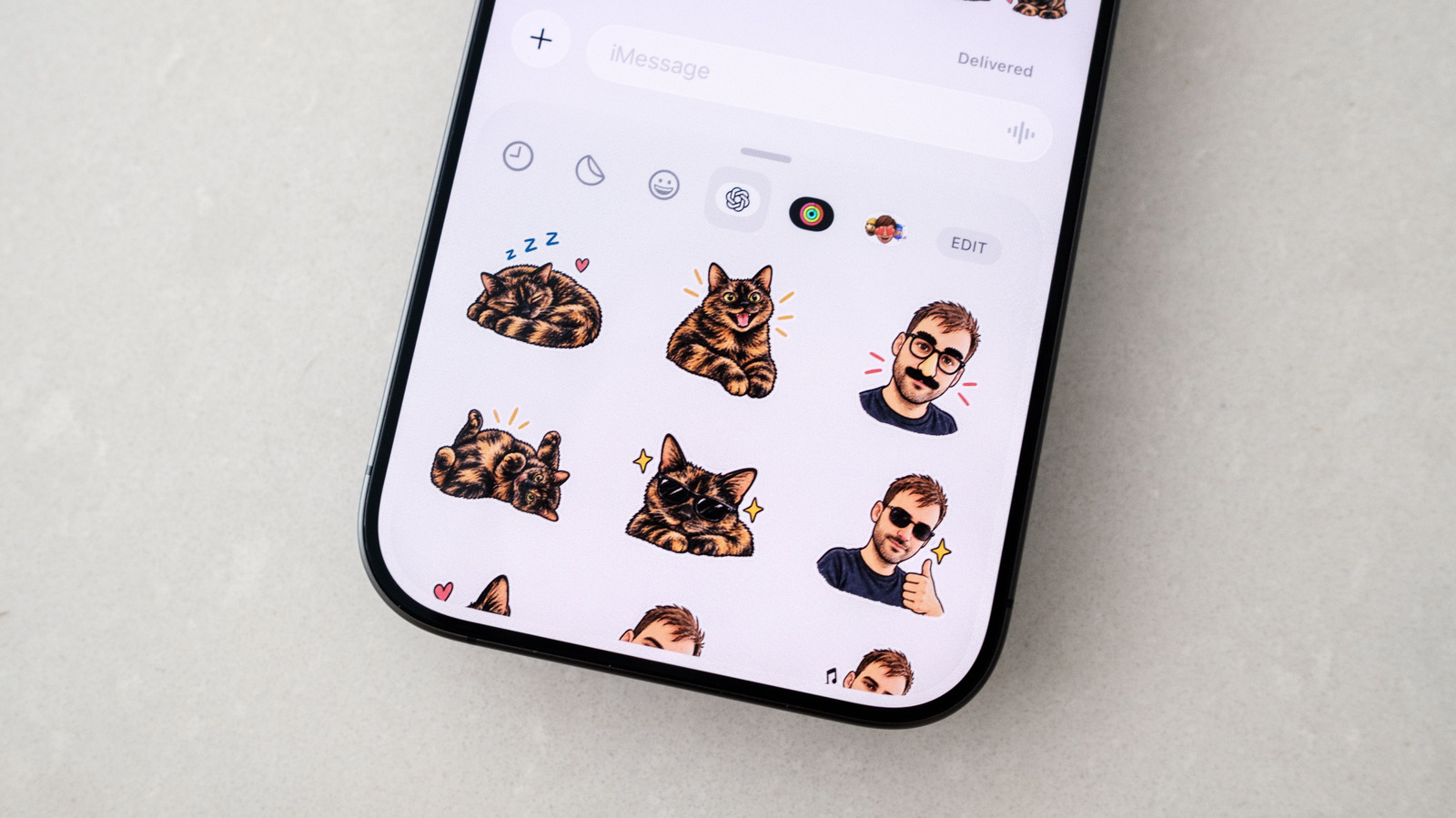
OpenAI's ChatGPT has now been leveraged to generate custom stickers for messaging platforms like iMessage and WhatsApp, marking a significant move of generative AI into mainstream consumer personalization. This development pushes large language models beyond simple text or image creation into the micro-transaction economies that thrive within walled-garden ecosystems. This isn’t merely a feature; it’s a strategic beachhead into the digital goods market, challenging the established, often manual, creator tools and marketplaces that Apple and Meta have curated. It mirrors the broader trend of AI subsuming discrete creative tasks, escalating the platform competition from infrastructure to the end-user's expressive toolkit. This capability fundamentally alters the value chain for digital assets on messaging platforms. Previously, sticker packs were a domain for designers and developers using tools like Apple's Xcode or third-party apps, creating a micro-economy. Now, a simple prompt in ChatGPT can replicate this, demonetizing the existing market and creating an asymmetric advantage for OpenAI. The primary losers are independent creators and specialized sticker apps whose revenue models are now threatened. The winners are the messaging platforms themselves—Meta and Apple—who benefit from increased user engagement without needing to invest in the generative technology, alongside OpenAI, which captures more user interaction. The trajectory this suggests is the rapid commoditization of low-end creative asset production, with significant implications for the 'creator economy.' Within 12 months, expect to see this capability integrated directly into messaging apps as a native feature, likely through strategic partnerships with AI providers. The real test will be whether this devalues digital goods to the point of extinction or fosters a new tier of 'premium' human-made content. This development forces a strategic recalculation for any platform reliant on user-generated cosmetic content, as AI becomes a direct, formidable competitor to their user base.