China’s AI Labor Strategy Exposes a New Economic Vulnerability
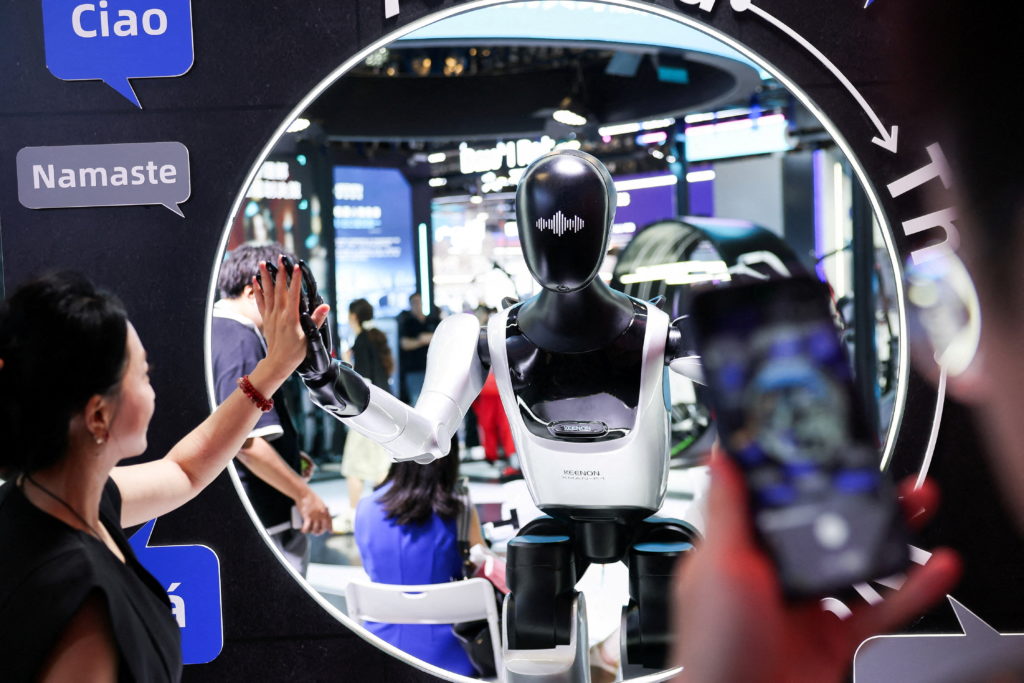
Beijing's aggressive push for AI-driven automation, framed as a national strategic priority, is now actively reshaping China's labor market by prioritizing technological advancement over short-term employment stability. This state-backed displacement of workers, particularly in service and manufacturing sectors, represents a high-stakes gamble to leapfrog Western economies in productivity and innovation. Unlike the market-driven AI adoption seen in the U.S., China’s top-down approach creates a unique economic pressure cooker, intentionally accelerating a transition that could exacerbate existing demographic and debt challenges, setting a precedent for state-led workforce restructuring on a national scale. The immediate beneficiaries are China's domestic tech giants like Baidu, Alibaba, and Tencent, which gain vast, state-supported testing grounds for their AI models and automation technologies. This fundamentally alters the unit economics of industries from digital art to customer service, creating an asymmetric advantage against foreign competitors reliant on more expensive human capital. The losers are clear: low- and mid-skill workers facing accelerated obsolescence. This policy forces a strategic recalculation for multinational firms operating in China, who must now weigh the benefits of automation against the risks of supply chain and social instability. The critical variable is whether the "new productive forces" generated by AI can create higher-value jobs faster than automation destroys existing ones. The real test will unfold over the next 12-24 months as unemployment data reveals the policy's true cost. This trajectory suggests a potential decoupling of economic growth from job creation, a scenario that could force Beijing into massive social spending programs. The ultimate success or failure will signal whether state-directed technological disruption can serve as a viable, albeit ruthless, long-term economic strategy, or if it will simply hollow out its own consumer base.