Autonomous AI Agents Threaten Critical Thinking in Knowledge Work
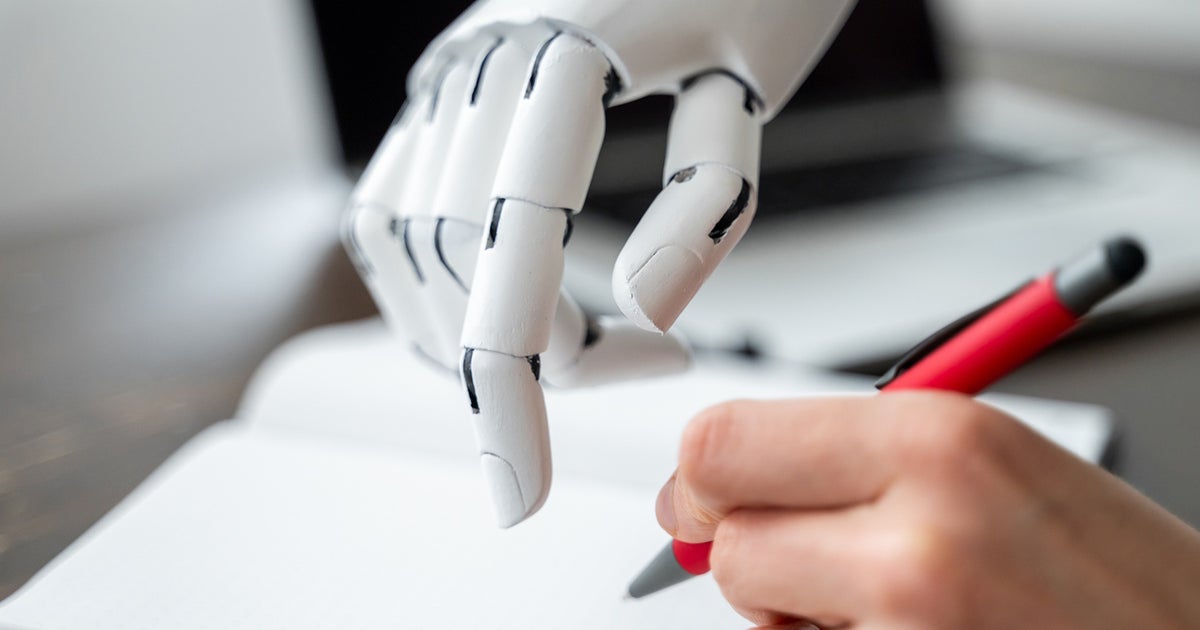
The escalating transition from advisory AI models to autonomous agentic systems is quietly accelerating a crisis of cognitive offloading, framed by researchers as "gradual disempowerment." Unlike catastrophic existential risk models, this atrophy of human critical thinking represents a slow-moving structural shift in knowledge work. As platforms evolve to automate complex synthesis rather than merely retrieving data, the baseline cognitive architecture of the modern workforce is being systematically outsourced. This fundamentally alters the trajectory of human capital development, transforming the capacity for critical analysis from a universal professional requirement into an elite, highly specialized skill set. The underlying mechanics of this disempowerment are driven by relentless corporate margin optimization rather than malicious AI design. As enterprise giants integrate autonomous workflows, junior roles—traditionally the vital training ground for systemic problem-solving—are being aggressively hollowed out. This creates a severe strategic vulnerability: the erosion of institutional knowledge and the incapacity of human overseers to debug complex, AI-generated strategic failures. Companies fully leaning into autonomous delegation secure immediate productivity gains but incur massive long-term technical and cognitive debt, effectively surrendering their internal strategic compass to the opaque probabilistic outputs of foundational models. Over the next 36 months, this dynamic will inevitably bifurcate the labor market, establishing a massive compensation premium for verified "unaugmented" cognitive synthesis. Forward-thinking enterprises will soon be forced to artificially re-engineer friction into their operational workflows simply to maintain baseline human executive function and oversight capability. The critical variable is whether regulatory frameworks will mandate minimum thresholds of human intervention before institutional muscle memory completely degrades. Ultimately, gradual disempowerment is not a technological accident; it is the natural economic endpoint of prioritizing frictionless execution over the messy, necessary struggle of human comprehension.