Gaming Studios Grapple With AI Integration, Authenticity Demands
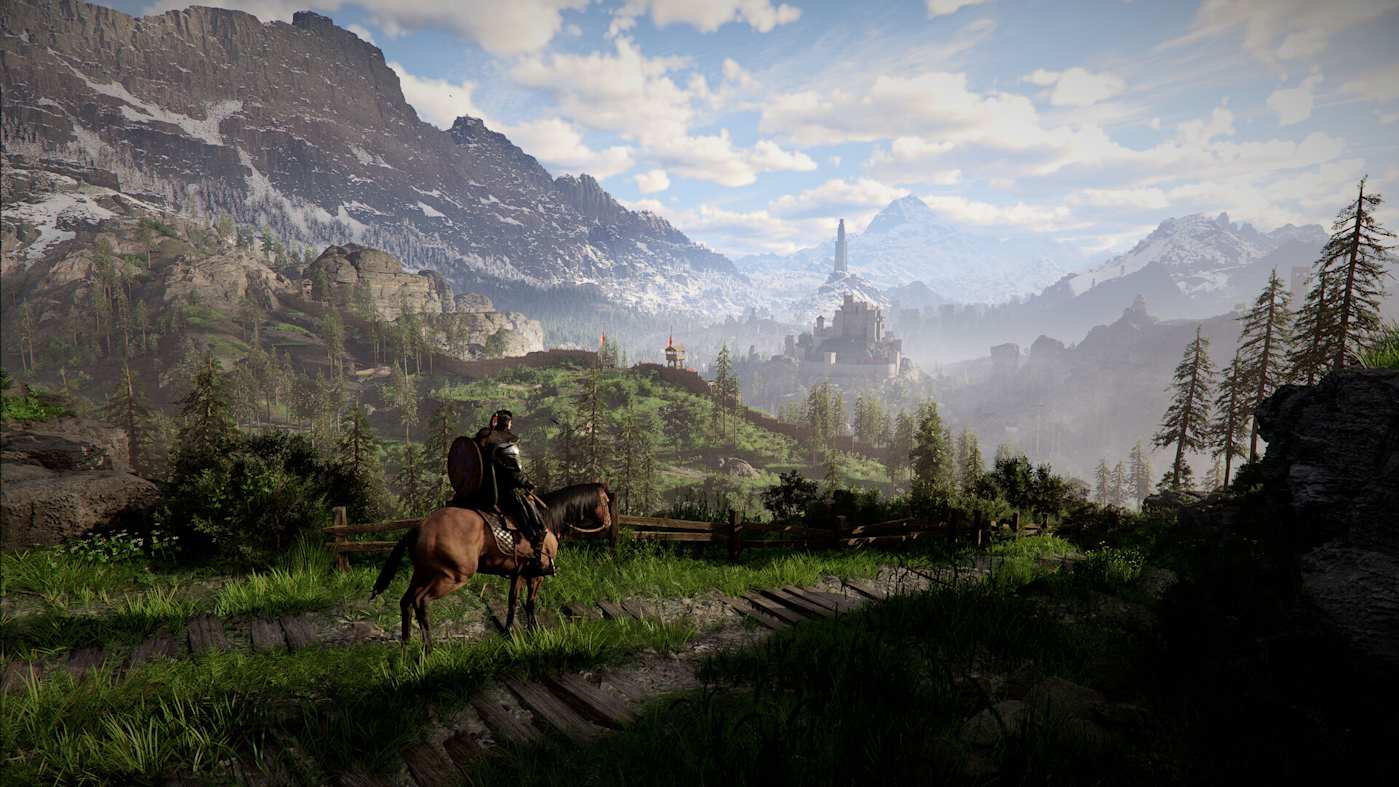
The apology from Pearl Abyss for accidentally shipping AI-generated art in its RPG *Crimson Desert* is far more than a simple PR misstep; it’s a flashpoint in the escalating tension between AI-driven production efficiency and rising consumer demand for creative authenticity. As AAA game development budgets spiral, studios are experimenting with generative tools to cut costs and time, but this incident reveals the profound risks of immature integration. This event and Valve’s recent tightening of Steam’s AI disclosure policies show the industry is now being forced to confront the operational and reputational costs of a technology it has only begun to understand. Pearl Abyss’s statement that experimental 2D props were “unintentionally included” reveals a critical vulnerability in modern game development workflows. The use of AI for rapid, early-stage ideation fundamentally alters the asset pipeline, creating new failure points where placeholder content can contaminate the final release. This error hands a significant narrative victory to player communities and artist groups advocating against generative AI, while forcing rivals like CD Projekt Red to recalculate the competitive moat around their "handcrafted" development philosophies. The immediate cost to Pearl Abyss is not just the engineering hours for replacement, but a tangible erosion of brand trust. The forward-looking consequences extend beyond a single studio’s cleanup efforts. This incident will likely catalyze a push for auditable asset supply chains, potentially creating a market for third-party AI content verification services for publishers. Within 12-18 months, expect a market bifurcation where "100% Human-Crafted" becomes a key marketing differentiator, similar to organic food labeling. The critical variable is no longer *if* studios use AI, but if they can build and prove the robustness of the quality assurance and asset-tracking systems that govern its use. A failure to do so risks not just player backlash, but platform-level delisting.