DOJ's OpenAI Stance Disrupts AI Data Licensing Market
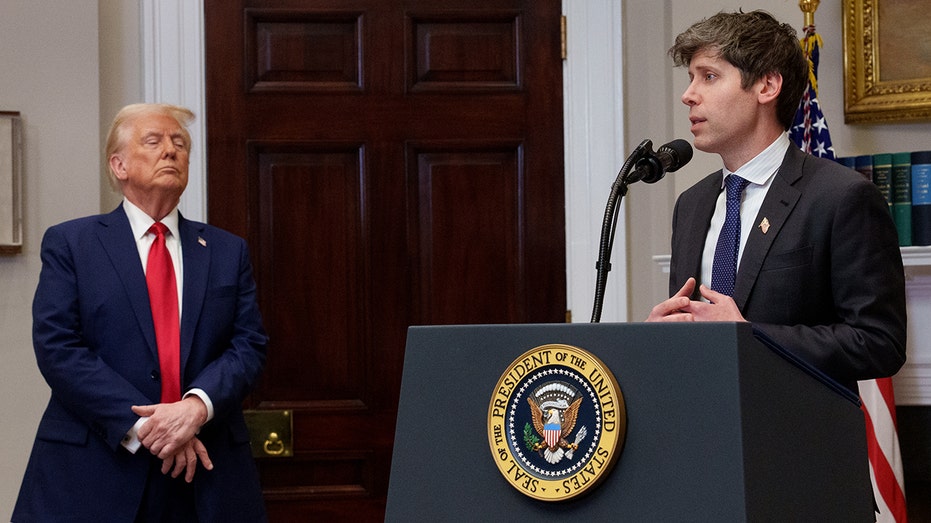
The Trump-era Department of Justice's 2020 statement of interest, backing OpenAI's fair use argument for training AI on copyrighted works, is re-emerging as a pivotal document in the AI industry's core legal battle. This stance fundamentally challenges the burgeoning market for licensed AI training data, where firms like Shutterstock and Axel Springer have struck deals with model builders. As lawsuits from The New York Times and others escalate, this DOJ position provides significant legal air cover for AI developers, suggesting a federal inclination to prioritize technological development over traditional copyright enforcement, framing the conflict as a matter of national competitiveness. The DOJ’s intervention fundamentally alters the risk calculation for AI labs, shifting leverage from content owners to model developers. This creates a winner-take-all dynamic where companies with massive, pre-existing datasets—namely Google (with its book-scanning archive) and Meta (with its social media content)—gain an asymmetric advantage over startups that cannot afford prolonged litigation or expensive licensing. For content creators, this precedent devalues their primary asset, forcing a strategic recalculation where they must either partner cheaply with AI firms or face the prospect of their work being used without compensation under an expanding definition of fair use. The long-term trajectory suggests a potential bifurcation in the AI market over the next 12-24 months. One segment will rely on legally-defensible licensed data, likely serving risk-averse enterprise clients, while another will aggressively pursue fair use, optimizing for model performance above all else. The critical variable is how the current Biden administration and the judiciary—particularly the Supreme Court—address this Trump-era filing in pending cases. This precedent, if upheld, would effectively codify the scraping of public data for model training, accelerating AI development at the direct expense of the creator economy and established media institutions.