100+ AI Experts Demand External Audits, Challenging Tech Self-Regulation
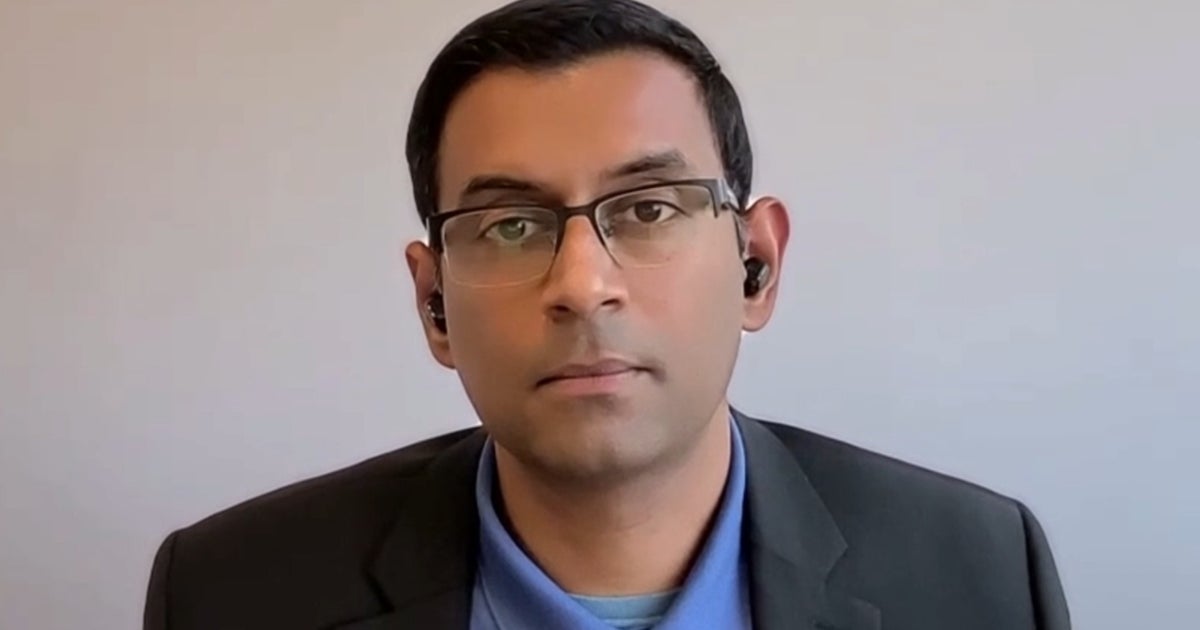
A coalition of over 100 AI experts, including Princeton's Arvind Narayanan, has publicly demanded mandatory, independent safety evaluations for advanced AI systems. This move fundamentally challenges the self-regulation model that has allowed major labs like OpenAI, Google DeepMind, and Anthropic to control the narrative around their models' safety. Coming just as governments worldwide, particularly in the EU via its AI Act, are formulating policy, this letter provides critical intellectual ammunition for regulators to reject corporate assurances and enforce third-party verification, directly threatening the industry's "move fast and break things" ethos with a new paradigm of accountability. The immediate strategic implication is the creation of a new, accredited auditor market, fundamentally altering the AI value chain. Early winners will be specialized startups and academic centers that can credibly perform these evaluations, creating a new layer of influence and a potential bottleneck for model deployment. For incumbent labs, this represents a significant new operational cost and a loss of competitive velocity, as they will be forced to submit to external review cycles. The letter exposes a key vulnerability in the current market: the public and enterprise buyers’ trust in AI safety is based almost entirely on the developers' own unverified claims. Looking forward, this initiative sets the stage for a prolonged battle over what constitutes a "safe" AI, with the definition itself becoming a competitive moat. In the next 6-12 months, expect fierce lobbying from major labs to influence the standards and accreditation of these new auditors. The real test will be whether these audits become a checkbox compliance exercise, like many cybersecurity audits, or a truly rigorous, adversarial process. This trajectory suggests a maturation of the AI industry, forcing it toward the kind of external validation common in finance and aviation, ultimately making verifiable safety a primary competitive differentiator.