FAA AI Deployment Confronts Aviation's Aging Systems
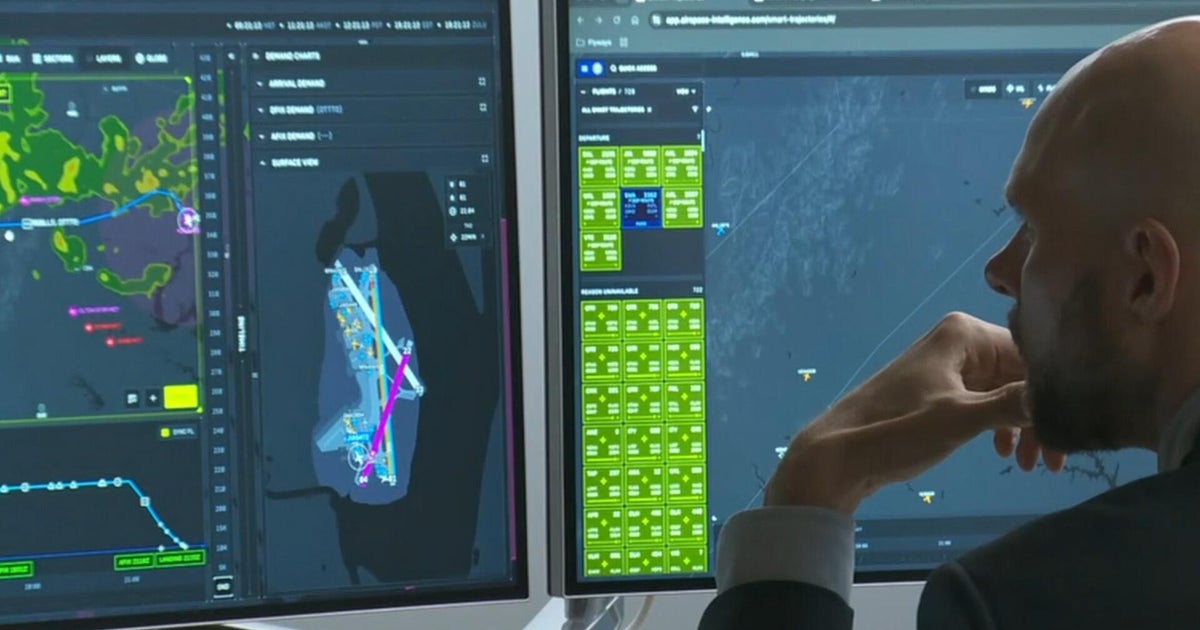
The Federal Aviation Administration’s deployment of new AI-powered predictive software for air traffic control marks a critical, albeit overdue, modernization initiative for U.S. aviation infrastructure. This move directly addresses mounting concerns over system fragility, recently highlighted by near-misses and staffing shortages that have strained the national airspace. While public anxiety around AI persists, this application of predictive analytics represents a strategic shift from reactive to proactive safety management, aiming to de-risk an increasingly congested system. It parallels the proactive safety measures adopted by the nuclear and oil and gas industries following major incidents, suggesting a new regulatory posture for aviation. The new software fundamentally alters the operational dynamics for air traffic controllers by providing predictive models of airspace conflicts, moving beyond current ground-based radar limitations. The primary winners are the major airlines—like United, Delta, and American—which stand to gain billions from reduced delays, optimized fuel burn, and enhanced network efficiency. Conversely, this exposes the vulnerability of legacy aerospace tech providers whose decades-old systems are now on a clear path to obsolescence. This move forces a strategic recalculation for an industry accustomed to slow, incremental upgrades, introducing a software-first approach to airspace management. Looking forward, the success of this initial deployment will dictate the pace of AI adoption across the entire aviation ecosystem. Within 12-18 months, expect to see a push for integrating similar AI tools into cockpit avionics and airline operations centers, creating a unified predictive safety net. The critical variable is whether the FAA can establish a clear certification pathway for these more advanced, safety-critical AI systems. This trajectory suggests that by 2030, predictive AI will be a foundational, regulated component of aviation safety, not merely an operational tool for efficiency gains.