FAA's AI System Targets Air Travel Delays Amid Modernization Push
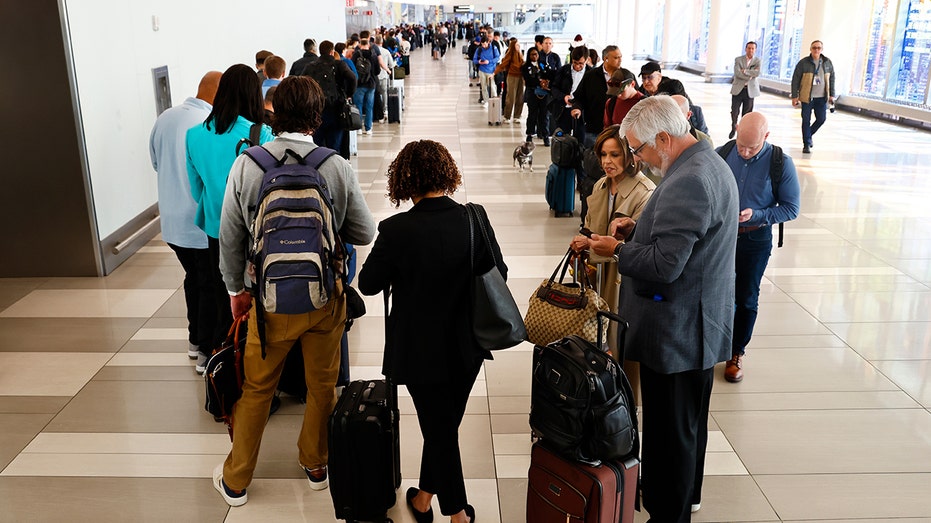
The Federal Aviation Administration's new SMART AI system represents a critical, if long-overdue, attempt to modernize U.S. air traffic control from a reactive to a predictive model. Coming after years of cascading delays and post-pandemic travel chaos that exposed the fragility of legacy infrastructure, this initiative aims to preemptively manage congestion rather than just respond to it. This move mirrors the broader push to infuse AI into critical national systems, placing the FAA's effort in the same strategic category as grid modernization and logistics planning, as the U.S. races to maintain its global leadership in aviation technology and operational efficiency. The system fundamentally alters air traffic management by using predictive analytics to model flow constraints hours in advance, allowing for earlier and less disruptive flight schedule adjustments. The primary beneficiaries are major hub-and-spoke carriers like United, American, and Delta, whose complex, interlocking schedules gain immense efficiency from such predictability, potentially saving billions in operational costs. This creates a strategic challenge for air traffic controllers, whose roles will shift from tactical decision-making to system oversight, and may disadvantage smaller regional airports if the AI’s optimization algorithms prioritize major hubs to maximize national network throughput. Looking forward, the real test for SMART will be its integration with airline operational centers and its performance during irregular operations, such as severe weather events. While initial benefits at select control centers could materialize within 18-24 months, full nationwide effectiveness is a 5- to 10-year horizon dependent on complex data-sharing agreements. The critical variable is whether the FAA can compel a unified data standard across competing airlines. This trajectory suggests a future where airspace management becomes a battleground for competing AI ecosystems, long before autonomous aircraft become mainstream.