Failed AI Detectors Fuel a New Arms Race on College Campuses
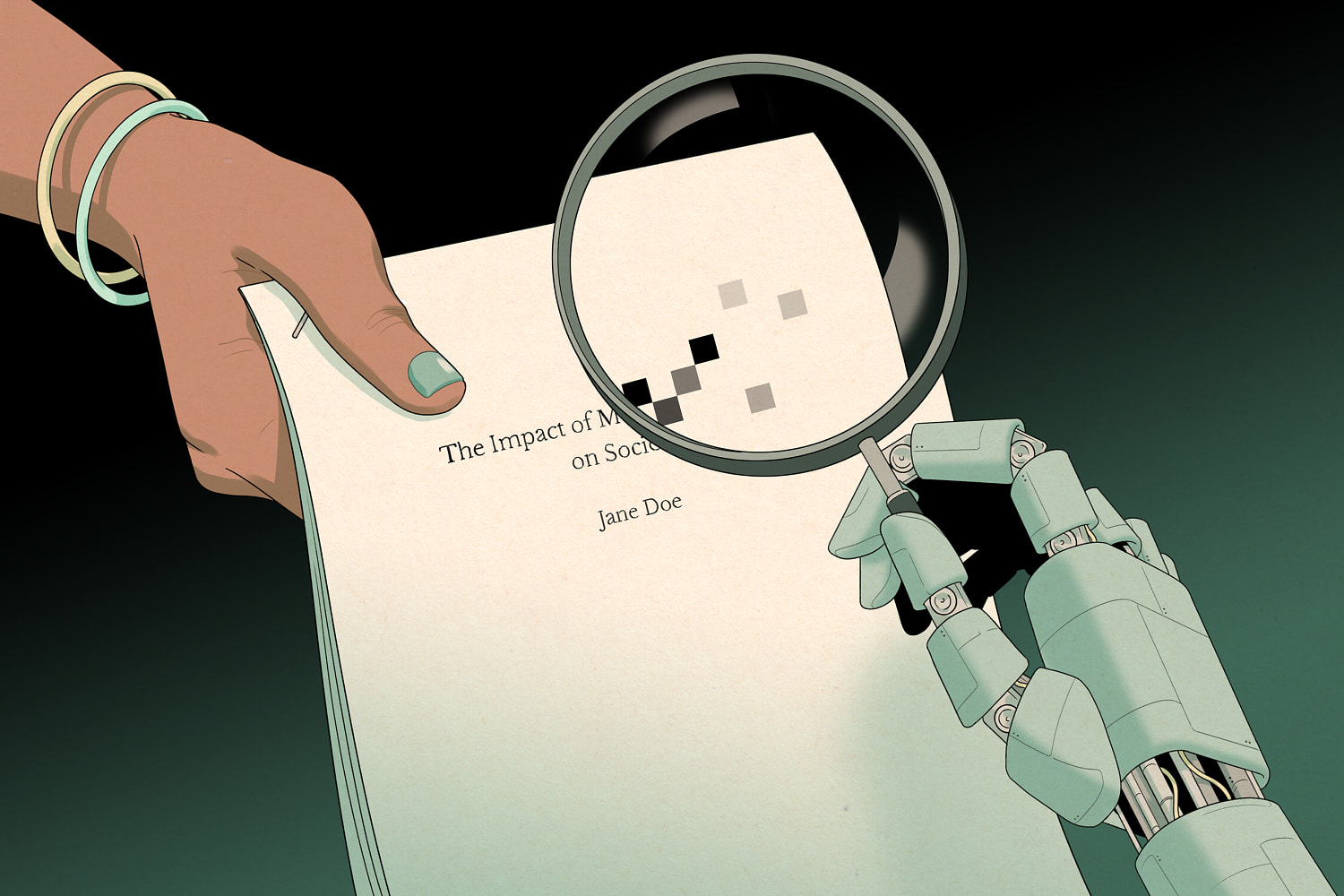
The use of AI to rewrite student work highlights a critical failure of first-generation AI detection software. Rather than just catching cheaters, these unreliable tools have inadvertently created a new market for “AI humanizer” services designed to evade false accusations. This escalation moves the conflict beyond academic integrity, signaling a broader erosion of trust in automated verification tools and forcing a strategic reassessment of their role in education, creating an inflection point for EdTech providers.
This dynamic puts universities in an unsustainable position, caught between flawed detection systems and increasingly sophisticated evasion methods. The primary implication is the degradation of trust between faculty and students, where original work can be flagged incorrectly. This arms race pressures institutions to abandon simplistic technological solutions for more nuanced, pedagogical approaches to assessment. The key thing to watch is whether this forces a retreat from software-based policing toward skill-based evaluation.