FBI's AI Leap Confronts OpenAI's Safety Gaps
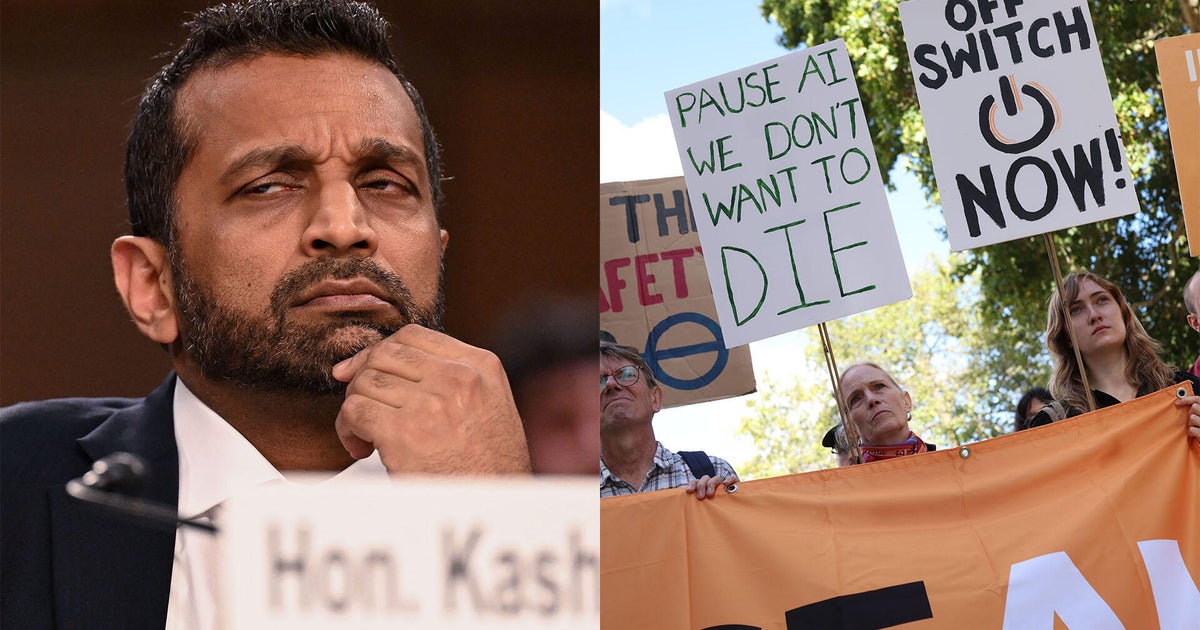
The FBI’s expansion of AI adoption, announced by Director Kash Patel, marks a pivotal moment in the normalization of generative AI within national security, moving beyond investigative data analysis to more advanced, and potentially controversial, applications. This occurs precisely as OpenAI discloses six new safety incidents, creating a stark juxtaposition between the push for government deployment and the acknowledged brittleness of the underlying technology. This dual development accelerates the strategic dilemma facing Western governments: fall behind adversarial states like China in the AI arms race or embrace powerful but unpredictable tools from commercial partners like Palantir and Microsoft, who are aggressively pushing into the federal space. The FBI’s move fundamentally alters the risk calculus for federal law enforcement, creating an asymmetric advantage in rapidly processing vast intelligence datasets but also exposing the bureau to significant operational and legal vulnerabilities. Winners include defense-tech incumbents like Palantir, whose Gotham platform is designed for such use cases, and major cloud providers like Microsoft Azure Government, which provide the secure infrastructure. Losers are smaller AI firms unable to meet stringent security protocols and civil liberties groups who see the use of opaque algorithms in law enforcement as a critical threat, potentially leading to automated bias and eroding due to process, a concern magnified by OpenAI’s concurrent safety disclosures. The trajectory suggests a near-term (6-12 months) surge in federal contracts for AI services, likely favoring established players with existing security clearances and infrastructure. The critical variable will be the emergence of a high-profile failure—an AI-driven investigative error or a significant data breach—which could trigger a massive regulatory backlash and a Congressional intervention within 24 months. The real test will not be the AI’s power, but the robustness of the oversight frameworks governing its use. This path suggests that federal agencies are becoming the primary battleground for defining the operational limits and ethical guardrails of AI in high-stakes environments.