FBI's AI Modernization Elevates Domestic Intelligence Capabilities
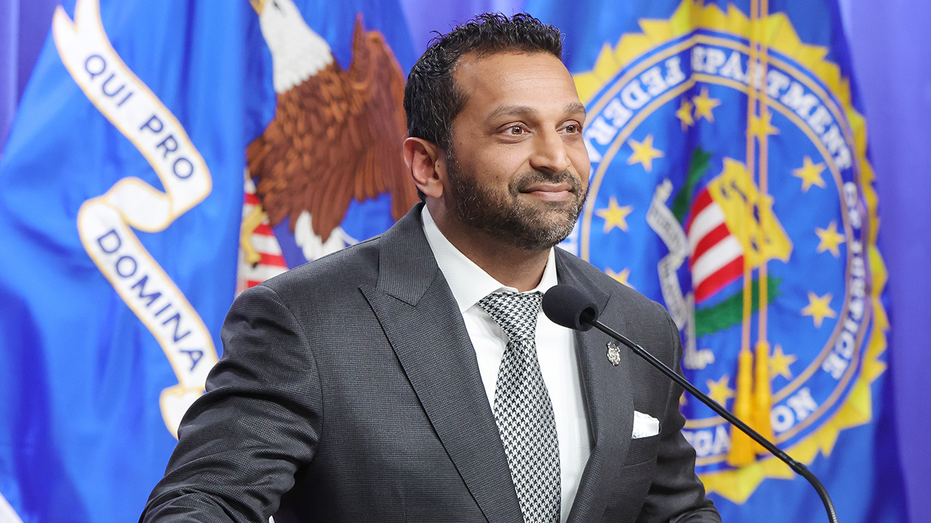
The FBI's public disclosure of its artificial intelligence modernization marks a pivotal shift in U.S. domestic security strategy, moving beyond traditional investigative methods into algorithmically-driven intelligence gathering. This initiative positions the bureau to counter AI-enabled threats from foreign adversaries and sophisticated criminal networks, representing a direct response to the weaponization of deepfakes and automated cyberattacks. By embracing AI, the FBI aims to regain an information advantage, fundamentally altering the technological battlefield for homeland security and setting a new baseline for what constitutes modern law enforcement, paralleling the intelligence community's broader (and often classified) adoption of machine learning. The core mechanism of this transformation lies in data fusion and predictive analysis, allowing the bureau to connect disparate data points—from digital forensics to open-source intelligence—at unprecedented scale and speed. This creates a clear win for defense and data analytics contractors like Palantir and CACI, whose platforms become indispensable infrastructure. The losers are actors reliant on anonymity and obscurity, as the AI dragnet vastly expands the scope of searchable information. This forces a strategic recalculation for criminal enterprises and potentially exposes vulnerabilities in privacy-centric technologies that were previously considered secure. Looking forward, this modernization sets the stage for significant jurisdictional and ethical conflicts over the next 3-5 years. The critical variable is how the courts will interpret the Fourth Amendment in an age of AI-driven suspicion and pre-crime analysis. This trajectory suggests a future where inter-agency battles erupt over control of these powerful new capabilities, especially between the FBI and DHS. The real test will be whether the bureau can deploy these tools effectively while establishing rigorous oversight that prevents programmatic surveillance creep and maintains public trust, a balance it has historically struggled to achieve.