Figure AI Robots Fulfill 24-Hour Warehouse Shifts, Reshaping Logistics
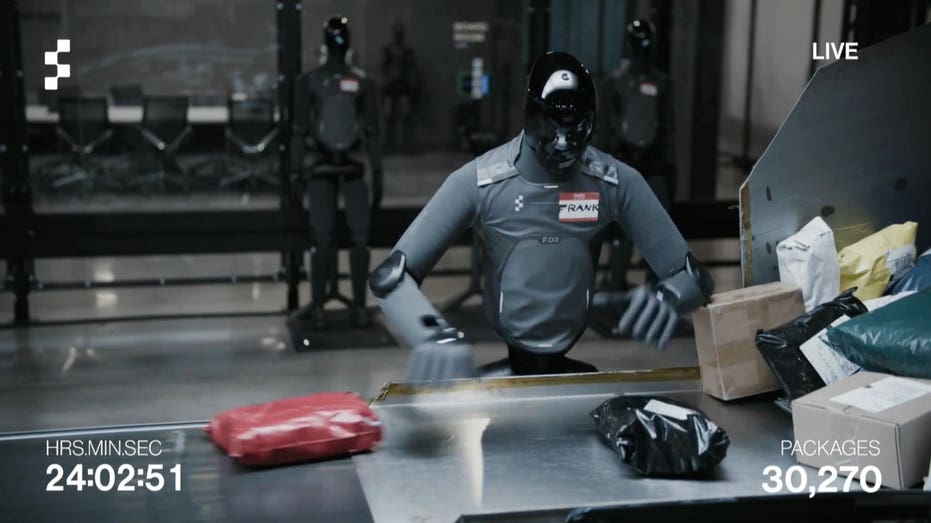
Figure AI’s demonstration of three humanoid robots performing over 24 hours of continuous, autonomous work in a warehouse setting marks a critical inflection point for the logistics industry. This achievement moves humanoid robotics from research demonstrations to a credible operational capability, directly challenging the market dominance of fixed, single-task automation systems. Coming on the heels of major investments from Nvidia, Microsoft, and OpenAI, this test serves as the first tangible proof-point that general-purpose robots can tackle specific, high-value commercial verticals, fundamentally altering the calculus for warehouse automation strategies. The success of this endurance test creates clear winners and losers. Figure AI and its strategic backers have validated their thesis, gaining a significant first-mover advantage in demonstrating commercial-ready reliability. This forces an immediate strategic recalculation for incumbent automation providers like Dematic and Honeywell Intelligrated, whose inflexible, caged systems now face a more versatile competitor. The milestone also pressures other humanoid developers, notably Boston Dynamics and Agility Robotics, to prove their platforms can similarly withstand the rigors of a full-day, nonstop operational cycle, shifting the competitive benchmark from task competency to sustained endurance. Looking forward, this event dramatically accelerates the timeline for enterprise adoption. The primary barrier of operational reliability has been credibly challenged, likely compressing pilot program timelines from three years to as little as 12-18 months. The critical variable is now the mean time between failures (MTBF) and the robot’s ability to self-remediate errors—data Figure has not yet released. This 24-hour test is the starting pistol for the commercialization race, setting a trajectory where Robots-as-a-Service (RaaS) for humanoid labor becomes a standard logistics offering within three years.