Florida's OpenAI Probe Elevates AI Legal Liability Debate
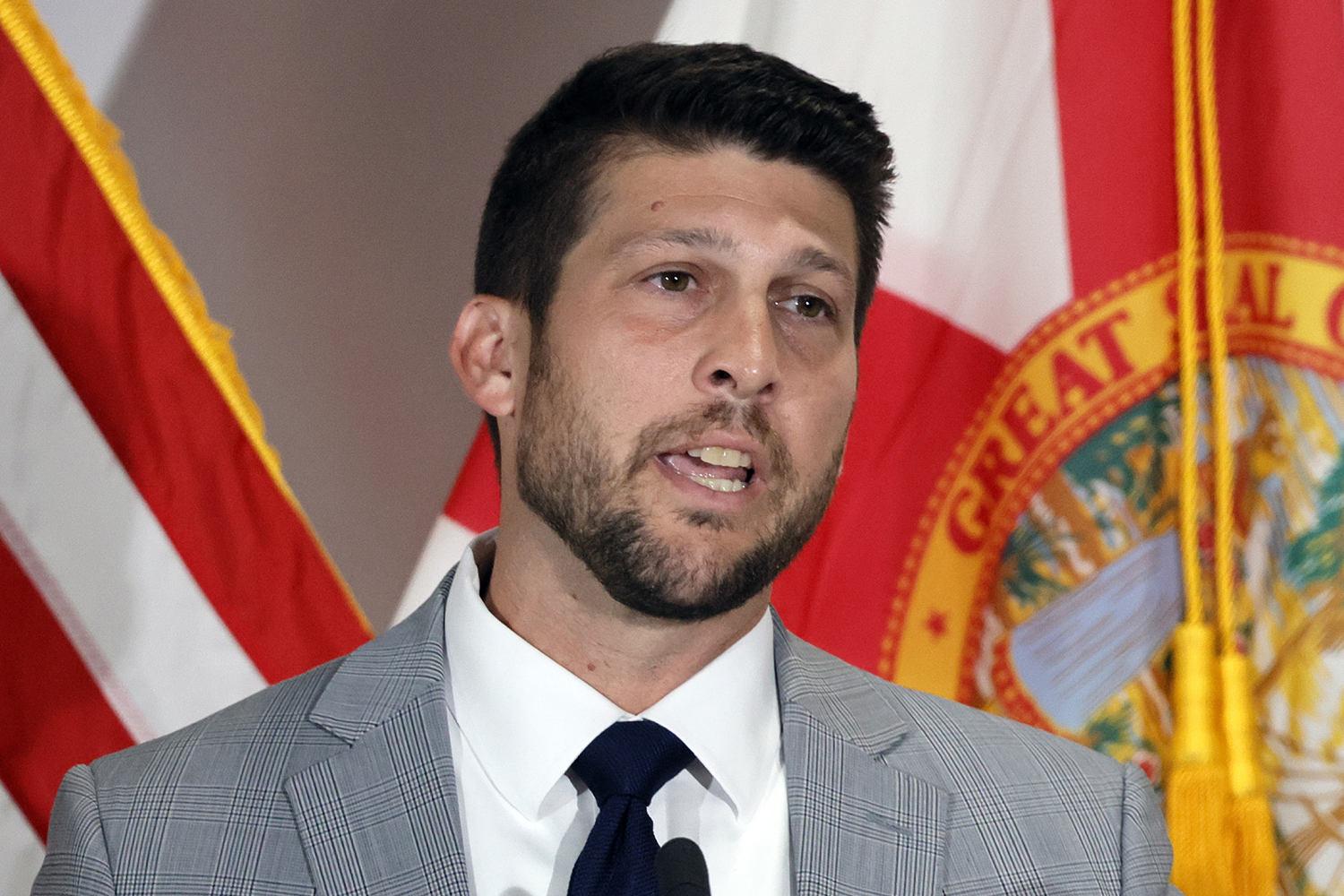
Florida's investigation into OpenAI regarding its alleged use in planning a mass shooting marks a critical escalation in AI governance, moving from abstract policy debates to concrete legal liability. This state-level probe goes beyond the content moderation battles fought by social media platforms, directly questioning the product liability of a foundation model provider for foreseeable misuse. It sets a dangerous precedent for the entire generative AI sector, occurring as both the US and EU are still formalizing broader, national-level regulatory frameworks, threatening to create a complex patchwork of state-by-state rules that could stifle innovation and deployment. The probe fundamentally alters the risk calculus for all major AI labs, creating clear winners and losers. OpenAI, Google, and Anthropic are immediate losers, now facing the specter of costly, reputation-damaging investigations that could force them to severely curtail model capabilities. This creates a strategic opening for specialized AI safety and auditing firms, whose services become mission-critical overnight for establishing "reasonable care" legal defenses. The competitive response will be a rapid, public-facing arms race in safety features, forcing rivals to prove their models are less susceptible to harmful instruction, potentially at the expense of performance. Looking forward, this case will define the legal standard for "negligence" in the AI era. A ruling against OpenAI could trigger a cascade of similar lawsuits across all 50 states within 12-24 months, creating a compliance nightmare that dwarfs GDPR. The critical variable is whether OpenAI can demonstrate its safety mitigations were sufficient, not whether the model was technically capable of misuse. This trajectory suggests a future where AI models may require state-level certification, fundamentally slowing the "release-and-iterate" paradigm that has defined the last three years of AI development.