Pokémon Go Data Guides Military Drones, Shifting Commercial Data Value
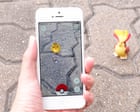
The revelation that an AI model trained on Pokémon Go data could guide military drones fundamentally reframes the strategic value of commercial datasets. This development transcends gaming, demonstrating how massive, crowdsourced location data from consumer applications can solve critical defense challenges like GPS-denied navigation. It validates the long-held theory of dual-use data, immediately escalating the importance of user-generated AR/VR content from an entertainment byproduct to a national security asset, mirroring the Pentagon's broader push to integrate commercial AI innovation to counter peer adversaries. This system works by leveraging Visual Place Recognition (VPR), where the AI correlates a drone's live camera feed with the vast, geolocated image library collected from Pokémon Go's 800 million users to determine its position. This fundamentally alters the landscape for autonomous navigation. Winners include defense-tech disruptors like Anduril and Shield AI, who gain a proven, low-cost method for resilient navigation. Losers are traditional providers of bespoke satellite imagery and GPS hardware, whose expensive, proprietary solutions are now challenged by a distributed, ground-level data source of unprecedented scale and diversity. The forward-looking implications are immediate and structural. In the next 12-24 months, expect a surge in defense contractors and VC firms attempting to acquire consumer apps not for their revenue, but for their unique geographic data feeds. This will ignite fierce regulatory and ethical debates over user consent and the opaque repurposing of personal data for military applications. The critical variable is how companies like Niantic navigate this new reality; their partnership decisions and data licensing strategies will set the precedent for a new market where consumer data directly fuels military capabilities.